The Hydrogen Stream: Mibgas, DH2 Energy launch Iberian H2 auction
Portuguese researchers say that raw materials are not a major concern for the European supply chain, while Mibgas Derivatives and DH2 Energy have launched the Iberian Peninsula’s first renewable hydrogen auction.
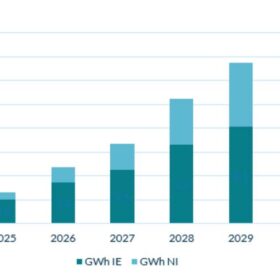
Ireland’s battery storage fleet to grow to 13.5 GWh by 2030
Cornwall Insight calculates that Ireland’s battery storage capacity will reach 13.5 GWh by 2030, up from 2.7 GWh in 2025.
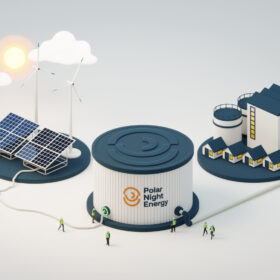
Testing to start on 100 MWh sand-based thermal battery in Finland
Finnish startup Polar Night Energy is building an industrial-scale thermal energy storage system in southern Finland. The 100-hour, sand-based storage system will use crushed soapstone, a by-product from a fireplace manufacturer, as its storage medium.

The Hydrogen Stream: HiiROC, Siemens tie up on thermal plasma electrolysis
HiiROC and Siemens have signed a memorandum of understanding to make advanced control technologies and ensure the safe automation of hydrogen production.

Jordan’s new electricity law encourages investment in energy storage
The new law aims to improve the efficiency and reliability of Jordan’s electricity infrastructure and introduces the concept of energy storage in the country’s legislation for the first time.
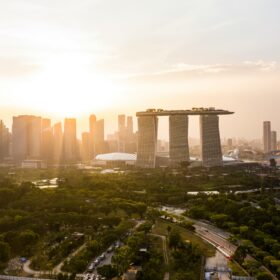
Pathway to Singapore’s solar development
Singapore could import large quantities of low-cost solar power from neighbouring countries using undersea cables, with the indicative cost being competitive with gas generation. Unlimited world-class pumped hydro energy storage is available in neighbouring countries in the range 50-5000 GWh to support very large scale transmission.

Brazil could add 18.2 GW of energy storage by 2040
That figure would require incentives, regulation and ambition. A study by Clean Energy Latin America (CELA) estimated the Brazilian storage market should grow at least 12.8% annually through 2040, reaching a cumulative 7.2 GW, excluding client-side, ‘behind-the-meter’ installations.
New research estimates average long-term green hydrogen price at $32/MWh
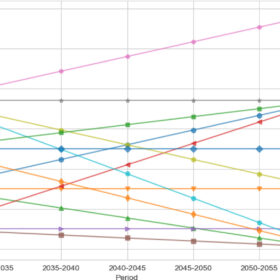
New research from Norway has found that deploying around 140 GW of green hydrogen generation capacity by 2050 could make green hydrogen economically viable in Europe. Reaching this scale may help balance system costs effectively while increasing renewable integration, making green hydrogen a self-sustaining technology without subsidies, according to the scientists.
Australia closed on a record 3.9 GWh of battery storage capacity in July-to-September
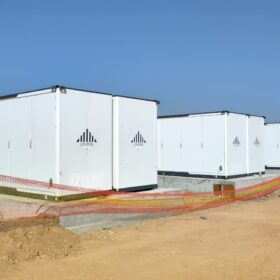
Eight new battery projects added up to 95% more volume than was recorded in Q3, 2023, according to a Clean Energy Council (CEC) quarterly report which also pointed to a renewables generation boom.

The Hydrogen Stream: EU to move forward with H2 projects
The European Union will continue advancing hydrogen projects, focusing on infrastructure design and supporting production with European equipment, according to Ursula von der Leyen, president of the European Commission.
