Can the grid cope with the surge in electricity demand?
The grid needs to modernize to meet a booming demand for electricity, which is only predicted to grow even further in coming years. IEC Standards are key to help with the transition.
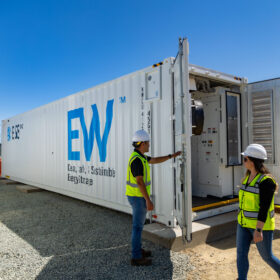
California state grant advances 2 GWh iron flow battery deployment plans
The Sacramento Municipal Utility District’s long-duration battery energy storage project in partnership with ESS Tech, Inc. has been awarded a $10 million grant from the California Energy Commission to demonstrate the capability of iron flow battery technology.

Physical and virtual batteries for maximized self-consumption
French solar equipment supplier Monabee is expanding its range of solutions with two batteries – a physical and a virtual one, which can maximize the self-consumption of electricity produced by solar panels.
Investor concerns remain in Australia as renewable energy project pipeline grows
Growth in Australia’s renewable energy sector is strong with 43 GW of new utility scale generation and storage projects working through the National Electricity Market connection process but concerns remain that uncertainties surrounding approval processes could impact investor confidence.

Reactive power management key to advancing grid stability
In its latest monthly column for pv magazine, IEA-PVPS provides a comprehensive overview of the state-of-the-art practices, best practices, and recommendations for managing reactive power amidst the growing integration of distributed energy resources (DERs). The article describes the regulatory frameworks and practical applications, underscoring the essential role of reactive power management in maintaining a stable and efficient power grid.

Eswatini kicks off minigrid tender
The Eswatini Energy Regulatory Authority (ESERA) is searching for private minigrid developers to design, construct, operate and maintain a minigrid system that will electrify a remote community in the south of the country. The closing date for applications is August 23.
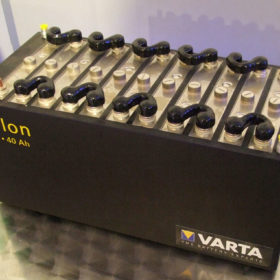
Sinovoltaics updates battery energy storage system financial stability ranking
The latest financial stability report ranks Tesla, Kung Long Batteries, Mustang Battery, Eaton, and Hyundai Electric in the top five spots out of 55 manufacturers.
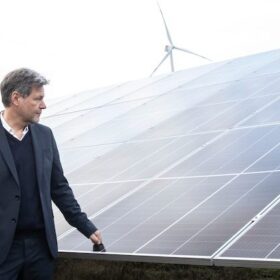
The Hydrogen Stream: German government adopts import strategy to create investment security
A new hydrogen import strategy is expected to make Germany better prepared for increasing demand in the medium and long term. The Netherlands, meanwhile, saw its hydrogen market grow considerably across supply and demand between October and April.

EWEC issues requests for proposals for 400 MW BESS project
The UAE’s Emirates Water and Electricity Company (EWEC) says 27 companies and consortiums that expressed interest in developing the project qualified for this stage of the tender.
India allocates 630 MW of renewables-plus-storage capacity at average price of $0.059 /kWh
The winning developers will set up renewable energy projects backed with energy storage system to supply a cumulative 630 MW of firm and dispatchable renewable power in a demand-following manner.
