
Silver prices resume upward trend
Silver prices have resumed their climb, reaching $95 per ounce this morning. Silver analyst Philip Newman tells pv magazine that escalating tensions in the Middle East are expected to continue driving investment demand for safe-haven assets such as gold and silver.

RENA secures 1.2 GW TOPCon equipment order in India
RENA Technologies says it will supply advanced wet chemical processing systems for Celloraa Energy’s 1.2 GW tunnel-oxidized passivated contact (TOPCon) solar cell line in Gujarat, India, with water consumption cut by 50%, H₂O₂-free processes, and start of cell production targeted for the end of fiscal 2026–27.
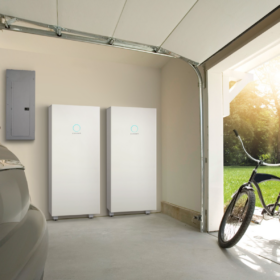
Australian regulator ramps up battery inspections
Solar battery installers have been warned to “do it once and do it well” as the number of batteries installed across Australia under the federal government’s Cheaper Home Batteries Program surges past the 250,000 milestone, delivering a combined 6.3 GWh of capacity.
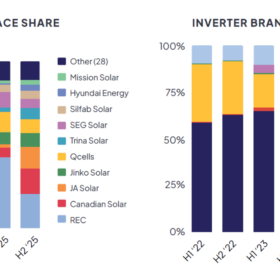
Expiring US tax credit drives record solar demand in H2 2025
EnergySage says the looming expiration of the federal residential solar tax credit drove a 205% surge in homeowner engagement in the second half of 2025, with median pricing of $2.49/W, an average system size of 11.8 kW, and a decline in storage attachment rates as customers rushed to install systems before the end of the year.
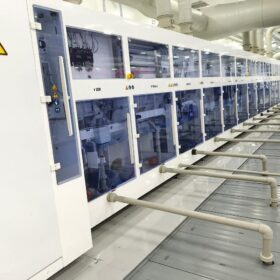
Premier Energies unveils India’s first zero-busbar TOPCon solar cell
Premier Energies Ltd today unveiled India’s first zero-busbar (0BB) TOPCon solar cell at Intersolar India. The 0BB design marks a structural shift from traditional 10BB and 16BB architectures, replacing thick silver busbars with a dense matrix of ultra-fine silver lines to collect current.

India expected to install about 42.5 GW of new solar capacity in 2026
India installed around 37.8 GW of solar capacity in 2025, according to JKM Research. This comprised about 28.6 GW of new utility-scale solar, a 54.6% increase from 2024, and 7.9 GW of rooftop solar, up 72% year on year. Off-grid additions stood at 1.35 GW, compared to 1.48 GW in 2024.
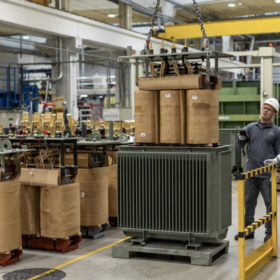
Global energy transition hits a hardware bottleneck
As transformer lead times double and US prices surge 79%, a manufacturing “supercycle” struggles to keep pace with the explosive growth of AI data centers and renewable energy.
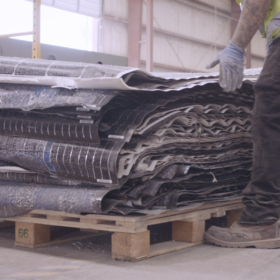
The richest silver mine isn’t underground but in solar
As primary silver grades decline and solar demand surges, the industry must transition from viewing retired panels as waste to treating them as high-grade mineral reserves essential for the energy transition.
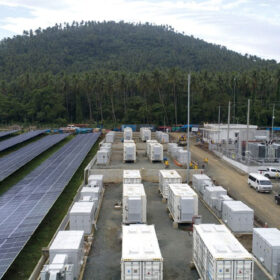
Philippines mandates energy storage for renewables plants over 10 MW
Department of Energy (DOE) order sets out new rules for mandatory energy storage, including a minimum capacity of at least 20% of the generating plant’s installed capacity. DOE also calls forenergy storage systems (ESS) installations to have grid supporting capabilities, such as grid-forming inverters to help stabilize voltage and frequency.

‘Like many people, I’ve been the only woman in the room’
This week Women in Solar+ Europe gives voice to Charmaine Coutinho, Director – EMEA Energy Transition at UK-based FTI Consulting. She says the energy transition requires inclusive systems that actively involve underrepresented groups, ensuring diversity and equity at all levels. Drawing on decades in the sector, she emphasizes intentional mentorship, sponsorship, and transparent leadership as essential for meaningful change and career impact.
