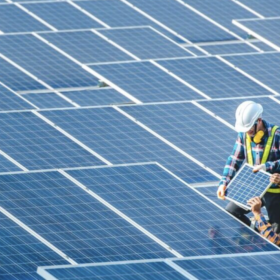
Germany’s Texxecure launches standardized quality rating for PV systems
The Texxecure PV Quality Rating evaluates solar modules, inverters, and entire projects using uniform technical criteria, condensing technical risk into a single AAA-to-D score for developers, investors, banks, and insurers.

Estonia deploys 105 MW of solar in 2025
Estonia’s cumulative solar capacity reached around 1,430 MW by the end of last year. Year-on-year installations slowed as the country’s solar market begins to saturate, with future growth expected to be driven by supplementing solar parks with batteries.

Group Surya commissions 500 MW G12R module line in India
Group Surya has launched a 500 MW G12R solar module production line in Odisha, India, with plans to double capacity to 1 GW within months.
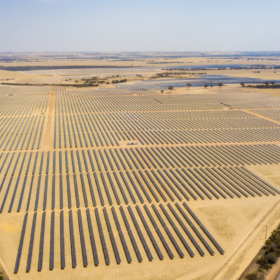
Australia’s utility solar and wind output hits 5 TWh in February
Output from Australia’s large-scale renewable energy sector continues to climb with the nation’s utility PV and wind assets generating a total of 5.0 TWh in February, delivering an 11% increase on the same time last year.

Fronius expands residential solar backup power with PV Point Comfort
Austria-based inverter manufacturer Fronius has launched PV Point Comfort, a retrofit-ready hardware upgrade that provides automatic backup power for essential household loads without requiring battery storage.

Iraq slashes solar import tariffs to 5%
The Iraqi Customs Authority has cut customs duties on solar energy systems from 33% to 5% – covering PV panels, inverters, cables, and lithium batteries – to accelerate solar adoption, following financing support from the Central Bank of Iraq.

Argentina tenders 700 MW of battery storage nationwide
Argentina’s Energy Secretariat has opened a national and international tender for battery energy storage systems (BESS) at grid-constrained nodes outside the Buenos Aires metropolitan area, targeting about $700 million in investment.

Singapore raises 2030 solar target to 3 GW
Singapore has increased its 2030 solar target by 1 GW after surpassing the original 2 GW goal before the end of last year.
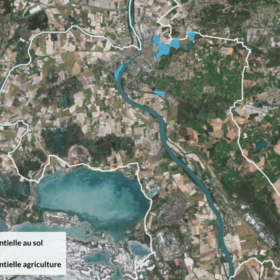
Engie launches mapping platform to visualize France’s renewable potential
France’s Engie has introduced Enermap, a free online platform that lets users evaluate the potential for solar, wind, hydroelectric, biogas, and battery projects at the municipal and regional level using government and research data.
South Korea eases solar siting rules to cut permitting delays for PV projects
South Korea has passed legislative amendments to limit the ability of local authorities to impose separation distances on solar projects, removing a major permitting barrier for PV developers.
