
China’s air pollution reduces PV production potential by up to 13%
If China could travel back to the 1960s with its 2016 PV generation capacity it could harvest an additional 14 TWh of solar power, according to a study by academics at universities in Switzerland and the Netherlands. With a mixed record for reducing pollution, the country’s solar fleet output appears to be drastically affected by dimmed solar radiation.
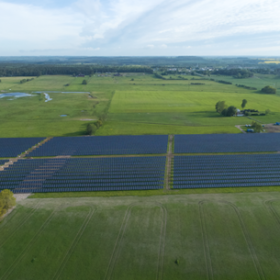
PPA-linked solar park comes online in Sweden
The 5.8 MW Sparbanken Skåne Solar Park is in the Sjöbo Kommun, in the southern region of Skåne. The facility is selling more than half its output to the spot market and around a third to Swedish bank Sparbanken Skåne under a 10-year PPA. The rest is being traded on the Nord Pool electricity certificate market for renewable energy in Sweden and Norway.
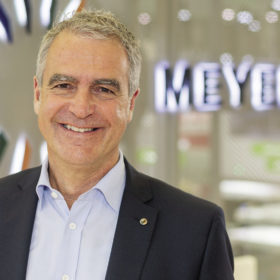
Meyer Burger seals $100 million HJT order, expects to hit break-even in first half
Swiss equipment supplier Meyer Burger has signed a contract to supply heterojunction cell manufacturing equipment to an unnamed North American manufacturer. The company also posted its preliminary results for the first half, posting a $14 million EBITDA loss but stating it expects to break even for the period after selling its wafer business.
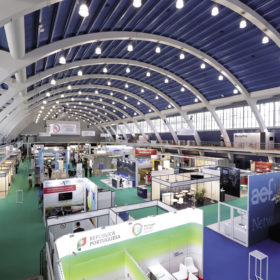
The weekend read: One step at a time … is not enough in Africa
The African continent often generates impressive solar news and offers new angles on renewable energy systems and integration. The 21st Africa Energy Forum, held between June 11 and 14 in Lisbon, explored the various ways in which solar is being rolled out across the continent. pv magazine offers a country-by-country review of some of the Sub-Saharan markets discussed at the event.

Why the EU needs binding targets for renewables and decarbonised gas for a climate-neutral Europe
Interview: The Energy Charts, developed by the Fraunhofer Institute for Solar Energy Systems (ISE) shows that the switch from coal to gas in Germany reduced CO2 emissions by one third in June. In a European wide transition, Eurogas General Secretary James Watson considers reductions of up to 45% possible by 2030. The gas sector is also willing to make the transition to renewables and decarbonised gases by the middle of the century. In the case of power-to-gas technologies, medium-term cost reductions which are comparable to the experience curve of photovoltaics is possible, Watson explained.

Mozambique plans for 60 MW solar deployment
The IFC and the country’s power utility are planning to build small on-grid solar parks across three to five different sites, and are seeking a project consultant.
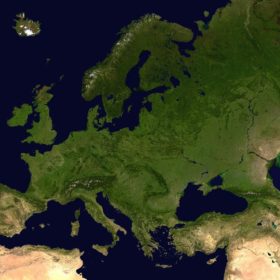
Renewable energy production beats fossil fuels in Europe for the first half 2019
UK based energy data service provider and consultancy EnAppSys released its quarterly review of the European energy market. While renewables have covered a large chunk of the continent’s demand, that trend will likely change in the second half of the year, as production from renewables falls. Meanwhile, coal generation is being pushed out of the U.K. market, although not fully to the benefit of renewables as gas-fired power plants are picking up momentum.
Belgium needs PV to meet obligations
Part three of our series on solar’s less covered markets takes us to Belgium, where despite impressive instsllation numbers from the rooftop market, a lack of volume means the country is unlikely to hit its EU mandated 2020 targets for renewable energy.
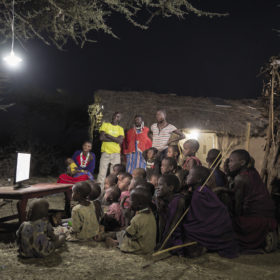
CBEA lets loose first $5.5 million for 60 minigrids in Tanzania
Crossboundary Energy Access (CBEA) was established in January with large investment contributions from Rockefeller and Shell Foundations. The funding facility, which said it would work to unlock $11 billion in funding for the electrification of 100 million people in Africa, has penciled its first transaction with PowerGen Renewable Energy.
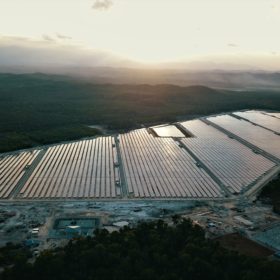
Islamic financing tipped to emerge as major player in PV investment
In every corner of the globe, markets are experiencing an increasing need for capital to back renewable energy assets. Apart from conventional loans, bonds and equity schemes, Shariah-compliant financing instruments, such as Sukuk, serve as a catalyst for funding PV projects, Deloitte finds.
