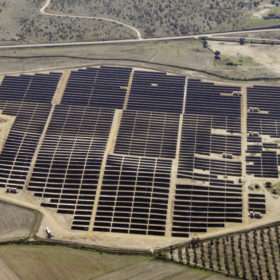
Spain PV prices to fall amid curtailment, weak demand
Carmen Izquierdo, CEO of Spain-based nTeaser, tells pv magazine that current PV project pricing in Spain “can lay the foundations for a more rational and sustainable ecosystem in the long term.”

Malaysia upgrades net metering scheme for rooftop PV
The Malaysian authorities say that approximately 1.7 GW of PV systems are operating under the Malaysian Building Integrated Photovoltaic (MBIPV) scheme and the country’s three Net Energy Metering (NEM) programs.

K2 Systems launches new pitched roof mounting solutions
K2 Systems has introduced two new pitched roof mounting components for residential solar: the SingleHook 3S Light, made of aluminum and stainless steel, and the InsertionRail 2.0, an aluminum mounting rail.

EU proposes binding 90% greenhouse gas cut target for 2040
The European Commission has proposed amending the European Climate Law to enshrine a new target: a 90% cut in net greenhouse gas emissions by 2040, compared to 1990 levels.

Israel requires PV systems on new residential, commercial buildings
Israel has introduced requirements for PV system installations on all new non-residential buildings with rooftop areas above 250 square meters and new detached residential buildings with roofs larger than 100 square meters.
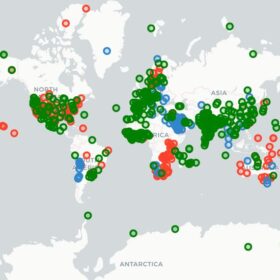
SolarStations.org: Mapping the future of solar resource assessment
IEA PVPS Task 16 recently introduced SolarStations.org, a global catalogue of solar irradiance monitoring stations designed for researchers, developers, and policymakers. This openly available resource catalogues more than 800 multi-component stations –of which more than 400 are currently active – offering a comprehensive view of high-quality ground-based solar data.
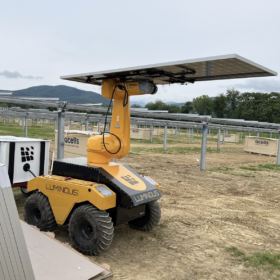
Robotics firm secures Australian federal funds to scale solar construction
Robotics company Luminous has secured almost AUD 5 million ($6.9 billion) in federal government funding to support the deployment of a fleet of AI-powered robots designed to accelerate the construction of utility-scale solar farms.

WorldOne Energies to set up 1 GW solar module factory in Canada
WorldOne Energies has announced plans to build a 1 GW solar module factory in Ontario, Canada, marking a major step in its global expansion beyond India. The facility will produce tunnel oxide passivated contact (TOPCon) bifacial modules and cater to the North American market.
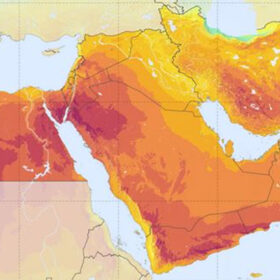
New method for PV site suitability mapping
Scientists in Malaysia have developed a novel deep-learning method for PV suitability mapping. Applying the new approach to the Middle East, they found that approximately 5.8% of the region has very high suitability and 11.5% is highly suitable for PV energy development.

US Senate bill threatens solar growth, manufacturing, investment
Industry leaders react to passage of the Senate-approved bill, warning it will pull the plug on domestic manufacturing, billions of dollars worth of investment, new jobs, lower energy costs and increasing clean energy capacity.
