
Ontario backs 12 solar projects totaling 915 MW
The Canadian province of Ontario has shared the results of what it has called its largest public power procurement exercise in its history, offering contracts to 12 solar projects and two wind projects with a cumulative capacity in excess of 1.3 GW.
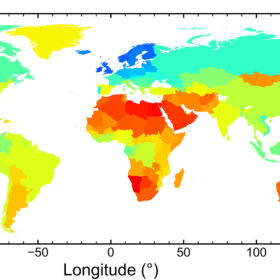
Solar PV Capex could fall to $192/kW by 2050
A review of 60 renewable energy studies finds that by 2050, solar PV and wind could supply 80–100% of electricity, but overly conservative Capex assumptions and simplified PV modeling often underestimate deployment potential. While future PV costs depend on supply chains and geopolitical risks, historical experience suggests medium-term risks are manageable, and material constraints are being resolved.
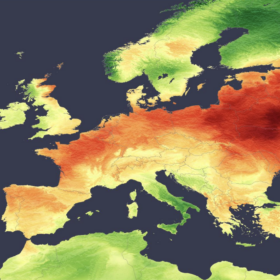
Dust, storms drag southern European solar as central regions outperform in March
In a new weekly update for pv magazine, Solcast, a DNV company, reports that Saharan dust caused widespread panel soiling in southern Europe in early May, while much of central and eastern Europe benefitted from above-average solar resources. Favourable conditions broke down later in the month as cold polar air and a powerful storm system brought cloud, snow and damaging winds to many parts of the continent.

Kosol Energie airlifts solar cells to avoid delays
Kosol Energie has used air freight to sustain PV module production, as supply constraints pressure timelines across utility-scale and commercial and industrial (C&I) segments.

How Switzerland plans to integrate 40 GW of solar by 2050
Swiss national grid company Swissgrid teamed up with a group of Swiss energy expects to publish a white paper covering how Switzerland can integrate up to 40 GW of solar by 2050 while maintaining safe and reliable operation of the grid.

California community solar proposal ‘virtually ensures’ no new projects
A proposed decision by the California Public Utilities Commission (CPUC) has drawn criticism from industry groups, who say it fails to support a viable market for community solar.

Envision unveils 12.5 MWh BESS, begins 790 Ah cell output
China’s Envision has launched a 12.5 MWh battery storage system and started production of a 790 Ah lithium iron phosphate (LFP) cell, as it advances an AI-driven storage strategy.
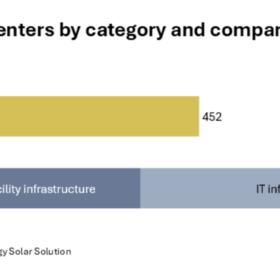
Data center energy spend rivals global solar investment
Rystad Energy says capital expenditure on data centers reached USD 770 billion in 2025, matching investment levels in photovoltaic infrastructure and surpassing upstream oil and gas.

Aggreko to deliver ‘Australia’s largest’ off-grid renewable hybrid power plant
Aggreko has unveiled plans to build what it says will be Australia’s biggest off-grid renewable hybrid power facility after signing a long-term power purchase agreement with the owner of Queensland’s largest proposed copper mine.

Singapore installs 504 MW of solar in 2025
Figures from Singapore’s Energy Market Authority indicate that the country had a record year for solar deployment in 2025. Cumulative capacity surpassed 2 GW, leading to Singapore’s 2030 solar target being increased to 3 GW.
