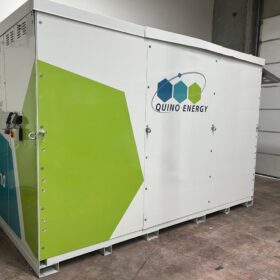
How organic flow batteries could erase the need for critical-mineral dependency
Vanadium flow and lithium-ion batteries both require materials described as critical by the US Department of Energy (DOE).
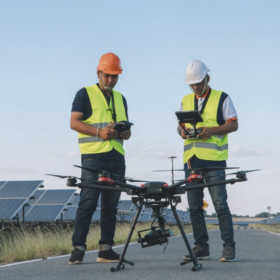
Top solar modules in reliability, quality and performance testing
The Renewable Energy Test Center (RETC) has released its 2025 PV Module Index, assessing solar module reliability, quality, and performance across industry benchmarks. The report highlights manufacturers that meet high standards in long-term durability and energy yield.

China’s new pricing policy
China announced new regulations this year that should result in a more market-oriented approach to renewables deployment. S&P Global Commodity Insights analysts Holly Hu and Anqi Shi say the new regulation No. 136 will play a crucial role in shaping China’s renewable energy sector, while introducing revenue uncertainties that will have a ripple effect on the global cleantech supply chain.
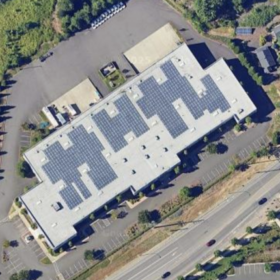
US battery supplier Powin files for bankruptcy
Oregon-based battery system integrator Powin faces rising tariffs as it imports lithium iron phosphate (LFP) battery components from China.
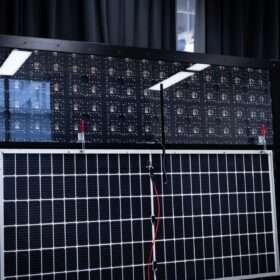
Avalon ST acquires PASAN to expand solar testing operations
Avalon ST, a Swiss LED-based solar simulation and metrology company, has acquired xenon-based solar simulator firm PASAN for an undisclosed sum. The companies will integrate operations and staff in Switzerland China, aiming to expand global reach and product innovation.
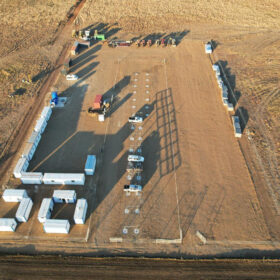
NOA secures financing for 349 MW solar project in South Africa
South African independent power producer NOA has reached financial close with Standard Bank on its 349 MW Khauta South Solar PV project near Welkom, Free State. The project will be the country’s largest single-asset solar facility once operational.

Simultaneous optimization of plant design and control unlocks cost-competitive green hydrogen
Achieving cost-competitiveness for green hydrogen produced via water electrolysis using intermittent renewable energy sources remains a significant challenge. Researchers from LUT University in Finland have shown that considerable cost reductions can be achieved by simultaneously optimizing plant control and design, based on specific hydrogen demand targets and local weather conditions.
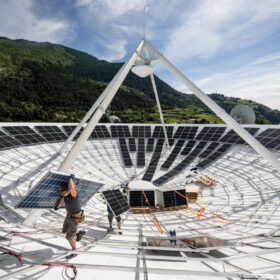
Repurposing unused satellite dishes into solar systems
Switzerland-based utility CKW has installed PV systems on disused satellite dishes at telecom company Leuk TDC’s headquarters, using SolarEdge’s DC-optimized inverters and power optimizers to maximize system output.
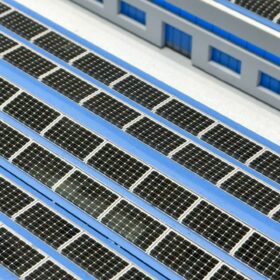
Tiering markets, evaluating offtakers’ risk: Strategic value in Europe’s C&I solar segment
EUPD Research projects that between 2025 and 2029, the European C&I solar segment will expand from 33 GW of annual installations in 2025 to over 40 GW in 2029, leading to an aggregated new C&I installation of 185 GW in the next five years. By the end of 2029 alone, this surge in capacity is expected to prevent approximately 88 million tons of CO₂ emissions equivalent to saving around 204 million barrels of oil in a single year.
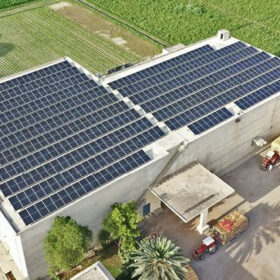
Pakistan proposes 18% tax on foreign panels in wake of solar imports surge
The Pakistan government has proposed an 18% general sales tax on imported solar panels in its budget for the new 2025-26 financial year. Pakistan Solar Association has warned the tax risks slowing solar adoption in the country.
