
Zimbabwe approves 116 MW of PV projects
The government of Zimbabwe has approved a $45 million fund for renewable energy projects. The announcement coincides with the licensing of 10 independent power producers to generate 271 MW of renewable energy, including 116 MW of solar.

Italy’s KEY trade show now Europe’s second-largest PV event
Italy’s most important event for renewable energy took place last week in Rimini with a 41% increase in visitors and about 30% growth in the number of participating brands. This reflects the sustained growth of the Italian PV sector and also underscores the expansion of the trade show, which is now Europe’s second-largest PV event after Germany’s SmarterE – Intersolar.
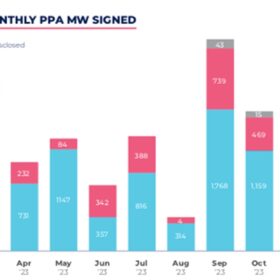
Pexapark says European developers signed 21 PPAs for 916 MW in January
Pexapark, a Swiss consulting firm, says the new year started with “robust activity” for power purchase agreements (PPAs). It says that lower power and commodity prices drove a 12.8% month-on-month decline in all tracked PPA prices.
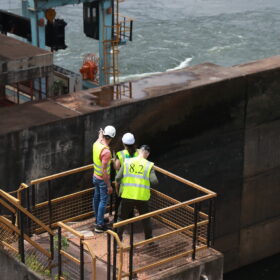
German consultancy finalizes feasibility stage of Ugandan floating PV project
A consortium involving 8.2 Renewable Energy Experts Hamburg and its partners has completed a feasibility assessment for a floating PV system on four reservoirs of different hydropower plants in Uganda.
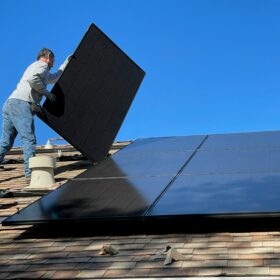
Australian PV installer owes millions to suppliers following collapse
Employees of G-Store, an Australian solar installation business, have lost their jobs and customers and suppliers are owed millions of dollars now that the company has been placed in the hands of administrators.
AmpIn Solar begins working on 1.3 GW solar factory in India
AmpIn Solar, a joint venture between AmpIn Energy Transition and Jupiter International Ltd, is building a new 1.3 GW solar cell and module factory in India under the government’s production-linked incentive (PLI) scheme.
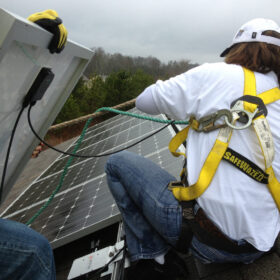
Massachusetts expands solar net metering, bucking a national trend
Massachusetts expanded access to net metering, showing a commitment to distributed energy. The Department of Public Utilities expects to save ratepayers $10 million with the regulatory change.
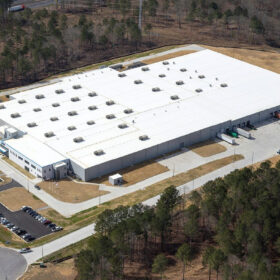
Weekend Read: Thin prospects
The production of PV ingots and wafers remains the most highly concentrated of all the production stages in the silicon solar supply chain. Yet efforts to re-establish production in Europe and the United States are not for the faint-hearted.
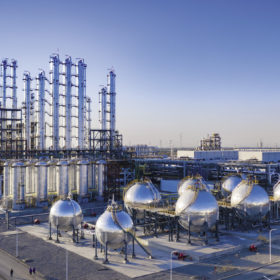
Chinese PV Industry Brief: Daqo reports revenue drop due to lower selling prices
Daqo increased polysilicon production volume in 2023 to 197,831 MT, representing a 47.8% year-over-year increase compared to 133,812 MT produced in 2022.

Alberta lifts moratorium on renewable energy projects
The government of the Canadian province of Alberta has announced plans to ban new renewables projects on high-quality agricultural land and within a 35 km radius of areas with pristine views, following a nearly seven-month pause on approvals for such installations.
