
India solar module output to exceed 125 GW in 2025, says Wood Mackenzie
Wood Mackenzie says in a new report that India’s solar manufacturing boom risks overcapacity and calls for a shift from expansion to cost competitiveness.
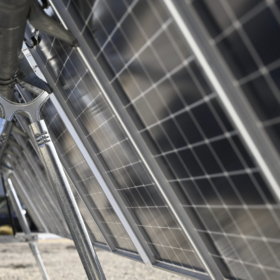
Nextracker unveils Earth Truss system for uneven Australian terrain
Nextracker has introduced its Earth Truss foundation technology in Australia, backed by funding from the Australian Renewable Energy Agency (ARENA), to enable solar deployment on rocky and hard soil sites.
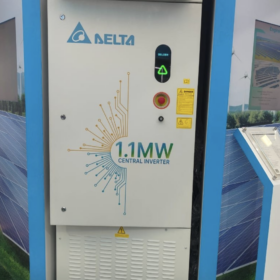
India-developed inverter targets large-scale solar expansion
Delta Electronics has unveiled a 1.1 MW modular inverter made in India, designed for large-scale PV projects and built to expand local manufacturing capacity to 5 GW within three years.
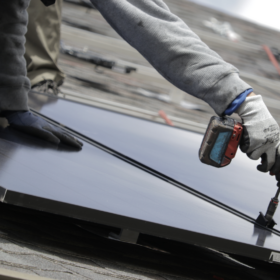
Cutting solar permit delays could add 20 million US rooftop systems
A new report says streamlining rooftop solar permitting could lower costs by up to 61%, enabling 20 million more US families to install solar by 2040 and save $1.2 trillion on energy bills.

Storm systems suppress Northern Europe’s October solar output
In a new weekly update for pv magazine, Solcast, a DNV company, reports that autumn storm systems have dominated large swathes of Europe in October, driving a clear split between northern regions where solar output declined and southern areas that enjoyed relatively favourable conditions.

Solar wafer prices stable, with emerging downward pressure despite policy interventions
In a new weekly update for pv magazine, OPIS, a Dow Jones company, provides a quick look at the main price trends in the global PV industry.

Mexico sets regional benchmark with new battery storage rules
Mexico’s new regulation mandating battery systems for solar and wind projects positions it as a model for energy storage integration in Latin America, according to a new report.

Chile commissions PV-driven hydrogen plant
Chile’s Colbún has started operations at a solar-powered green hydrogen unit at its Nehuenco thermoelectric complex, replacing fossil-based hydrogen used in generator cooling.
Spanish grid operator authorizes renewables for dynamic voltage control
Spain’s grid operator has approved 24 renewable power plants to deliver dynamic voltage control services starting in January, granting them priority dispatch under a new operational program.

Meralco increases stake in Philippine’s largest solar developer
Manila Electric Company (Meralco), via its subsidary MGen Renewable Energy Inc, has increased its stake in SP New Energy Corporation (SPNEC) after the transfer of 10.8 billion exchangeable shares in a deal valued at PHP 13.76 billion ($233.5 million). The company is working on the world’s largest solar-plus-storage project currently under development.
