
IndianOil targets 200 GW of renewable energy by 2050
State-owned IndianOil says it plans to have around 2 million metric tons of green hydrogen capacity in its portfolio by 2050.
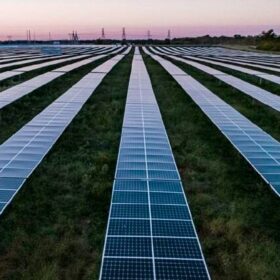
Australian developer plans gigawatt-scale solar, battery project
Skylab, a solar tracking distributor and renewable energy project developer, has unveiled ambitious plans to build about 1 GW of solar and battery energy storage facility in the Australian state of Queensland.
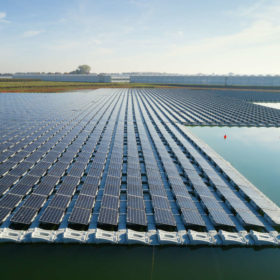
Global study highlights potential of floating solar
An international group of researchers has calculated the potential for floating solar across the world. The results show a generation potential of 9,434 TWh per year across 114,555 global reservoirs, with 30% of their area covered. The United States leads with 1,911 TWh per year of potential, followed by China at 1,107 TWh per year and Brazil at 865 TWh per year.

PV Expo 2023: Japanese solar’s struggle for space
PV Expo and the wider Smart Energy Week wrapped up in Tokyo last week. It revealed ambitious plans for solar and energy storage installations in Japan, including creative approaches to dealing with a severe lack of space for new installations, which should bring plenty of opportunities for domestic and international players.
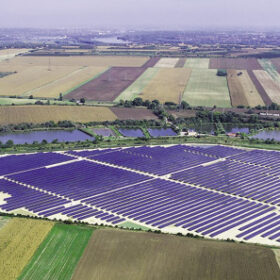
Hungarian solar is on the rise but much needs to be resolved
PV deployment is gathering pace in the EU member state but grid capacity shortfalls and unpredictable shifts in government policy need to be addressed if the nation is to harness its full solar – and European energy security – potential.
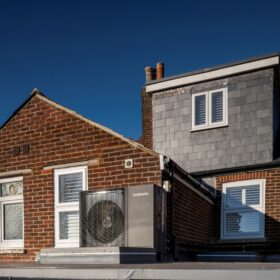
Samsung, Oxford launch heat pump pilot project at subsidized prices
Samsung and the city of Oxford in the UK have announced the trial of a neighborhood heat pump scheme in Rose Hill, Oxford. The project aims to connect communities to local installers, helping to remove key barriers to heat pump uptake, including cost. Up to 150 Samsung air-source heat pumps will be installed at a reduced price of GBP 2,600 ($3,185) each.
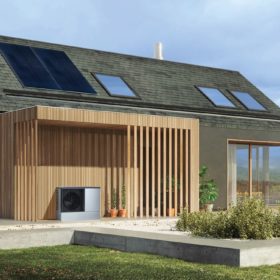
Poland includes heat pumps in residential solar rebate program
The Polish government says it will launch the fifth round of its Mój Prąd program in April. The scheme will offer rebates for air and ground heat pumps, as well as residential batteries.

SEG Solar intends to set up 2 GW of US solar panel production
SEG Solar says it will invest $60 million in a new US factory. It currently produces panels at factories in Vietnam and Indonesia.
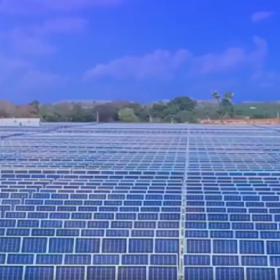
India exempts some solar projects from domestic content requirements
India’s Ministry of New & Renewable Energy (MNRE) has exempted solar projects from domestic content requirements if they are commissioned by March 31, 2024. The move provides developers with the flexibility to source modules at more cost-competitive rates, according to Indian ratings agency ICRA.
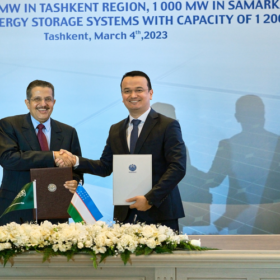
ACWA Power secures PPAs for 1.4 GW of solar, 1.5 GWh of storage in Uzbekistan
ACWA Power says it will develop three PV projects in Tashkent and Samarkand, Uzbekistan. It will also install storage capacity in Tashkent, Bukhara and Samarkand.
