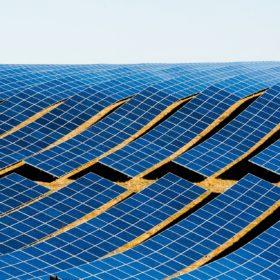
Cash-strapped developer SFCE dependent on buyer goodwill for $66m project sell-off
SFCE is scrambling to keep creditors at bay and has been unable to guarantee more than half the windfall it expects from selling off 140 MW of Chinese project capacity will actually be paid.

Another billion-dollar quarter for JinkoSolar
Despite the challenges to both the manufacturing and shipment of its products during the period, JinkoSolar today reported that it shipped 3.4 GW of modules in the first quarter of 2020, bringing its revenue for the quarter just over the billion dollar mark.
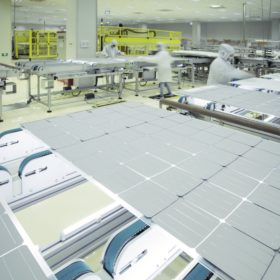
Analyst expects ‘unprecedented’ consolidation of Chinese solar industry
PV manufacturers unable to live with proposed new quality guidelines and project developers alike are set to be squeezed out by the state in the world’s biggest solar market, according to Frank Haugwitz, who has compiled a market update as preparations for the next five-year plan gather pace.

Sweden closes rebate scheme for rooftop PV
The government said developers have one more month to apply for the subsidy. It also delayed the project-completion deadline from Dec. 31, 2020, to June 30, 2021. From next year, rooftop PV will likely be supported by unspecified tax breaks.

Mexico raises grid fee for renewable projects finalized before energy reforms
The new measure mainly applies to wind power and other renewable energy sources, as most of the country’s solar capacity was deployed after 2014, when the energy reforms were implemented.

pv magazine’s Roundtables go virtual and reach a global audience
The COVID-19 pandemic featured prominently at this week’s inaugural pv magazine Virtual Roundtables Europe, which took place this past Tuesday and Wednesday. Not only did the pandemic lead to the virtualization of pv magazine’s established June Roundtables, but it was a big topic in the final session on Wednesday dealing with markets and specifically the further development of Power Purchase Agreements (PPAs) in Europe.
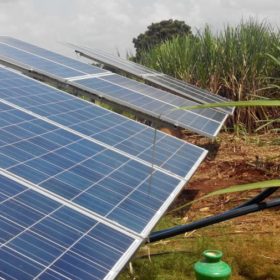
India set for 10 GW of agricultural solar
The Indian state of Andhra Pradesh – which had commissioned an aggregate 3.53 GW of solar capacity as of May 31 – will set up the new plants to ensure nine hours of daily free power supply to the agricultural sector.

Chinese PV Industry Brief: 600 MW of unsubsidized PV in Shanxi, incentive cuts in Shanghai
Longi will build 600 MW of unsubsidized PV in Datong, Shanxi province. The Shanghai Development and Reform Commission, meanwhile, has unveiled new 2020-21 FITs. Yingli is undergoing restructuring, while Trina had a solid listing debut in Shanghai.

Italian government opposes large-scale PV development in historic Tuscia region
The Italian cabinet has accepted a request from the Ministry of Cultural Heritage and Activities to cancel approvals granted by the Lazio regional government for two large-scale PV projects. Lazio’s Tuscia area is a potential solar hub for the Italian energy system.
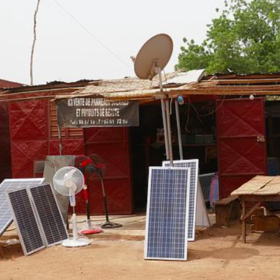
Mauritian fund invests $3 million in P2P solar specialist Sun Exchange
Sun Exchange has closed a $4 million Series-A funding round by obtaining a $3 million investment from ARPF, a Mauritian private equity fund. The peer-to-peer solar leasing platform said it will use the funds to help its members deploy solar solutions across sub-Saharan Africa.
