
Bahrain reveals qualified bidders for 100 MW BAJ Solar IPP project
The Bilaj Al Jazayer Independent Power Project will be developed under a public-private partnership on a build-own-operate basis.

Increased spacing between solar module rows boosts agrivoltaics viability
U.S. researchers developed a framework showing that wider spacing between solar PV rows can make agrivoltaic systems economically viable for large-scale mechanized farming. Their simulations in Colorado demonstrated that optimized row spacing maintains crop production while improving combined agricultural and energy revenues.
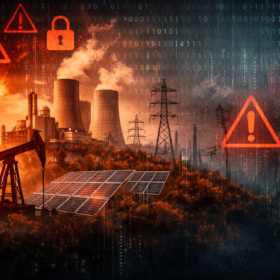
All 2022–2024 cyberattacks on energy infrastructure at a glance
A new global dataset of 119 energy-sector cyber incidents from 2022–2024 shows EU and BRICS countries, followed by the US, are most affected. Attacks targeted power, oil, gas, and nuclear infrastructure, driven by both financial and political motives, with diverse threat actors involved.

Japan establishes national benchmarks for agrivoltaics as sites expand
The Japanese government has defined new standards for agrivoltaics as regulators begin tightening oversight in response to nearly one-quarter of projects reporting reduced crop yields or sub-standard cultivation beneath solar panels.

Heat pumps are transforming domestic hot water production – How to avoid hygiene risks?
Heat pumps are increasingly used for domestic hot water in Europe due to their efficiency and compatibility with solar power, but their lower operating temperatures can create conditions where Legionella pneumophila may grow if systems are poorly designed. Proper hydraulic design, temperature control, and periodic thermal disinfection ensure both high efficiency and safe, hygienic operation.
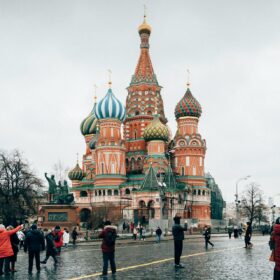
Russia adds around 100 MW of solar in 2025
GlobalData says Russia added an estimated 100 MW of solar last year, taking total installed solar to around 3.1 GW. The consultancy is forecasting annual additions of about 200 MW over the next ten years, taking the country’s cumulative solar capacity to 5.3 GW by 2035.
New simulation platform lets energy operators train against realistic cyberattacks
Researchers at Germany’s Fraunhofer FKIE institute developed PowerRange, a virtual simulation platform that helps power grid operators safely test cybersecurity measures and respond to realistic cyberattacks. The platform supports both traditional and renewable grids, offering immersive training across IT, OT, and control systems while highlighting the importance of coordination, communication, and practical defense strategies.
Debt-laden South African municipalities may turn to solar-plus-battery backup solutions
Eskom says it is issuing notices against around 14 municipalities in South Africa over outstanding municipal debts. The company warns that if the municipalities do not take corrective action, it will take credit control measures that may include interrupting electricity supply at predetermined times.
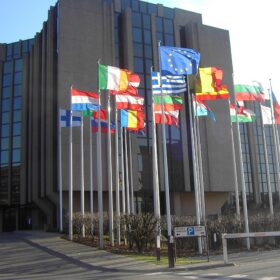
EU auditors warn energy community targets outpace reality
The European Court of Auditors says in a new report that EU policies supporting energy communities are progressing slowly and that the bloc’s goal of establishing one renewable energy community in every municipality with more than 10,000 residents by 2025 is unlikely to be met.
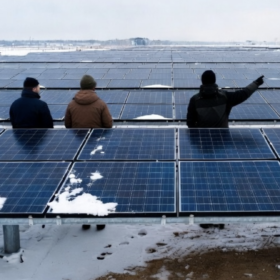
EU solar auctions, corporate PPAs delivered 92 GW in 2022-25 period
Public solar auctions and corporate power purchase agreements (PPAs) supported 92 GW of EU solar capacity from 2022 to 2025, supplying enough electricity for 28 million households. SolarPower Europe says the figures underscore the role of long-term contracts in stabilizing energy prices and strengthening energy security.
