
China to abolish solar export tax rebates in April
China will scrap value-added tax export rebates for PV products from April 1, 2026, while cutting battery rebates ahead of a full phaseout, raising export costs for manufacturers and potentially pulling shipments forward into early 2026.

Malaysia launches new net metering scheme for rooftop PV
Effective since January 1, 2026, the Solar Accelerated Transition Action Programme (Solar ATAP) aims to build on Malaysia’s previous net metering program’s efforts to maximize the use of rooftops for solar generation by incentivizing consumers to export excess generation to the grid. The capacity limit has been set at 100% of the consumer’s maximum demand, or 1 MW.
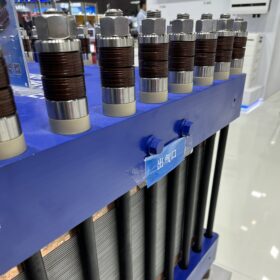
Hydrogen faces ‘year of reckoning’ in 2026, says Wood Mackenzie
Wood Mackenzie’s 2026 market outlook for hydrogen expects non-biological origin hydrogen to gain momentum and ammonia crackers to reach commercial scale but predicts the Middle Eastern market to retreat and the EU to abandon its industrial hydrogen mandates.
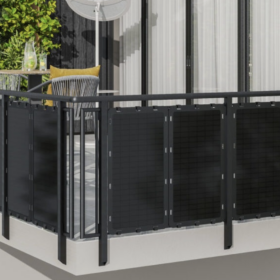
California introduces bill to legalize plug-in balcony solar
A new bill in California is designed to allow small plug-in solar systems to connect directly to household outlets by reclassifying them as appliances, removing utility interconnection and permitting requirements.
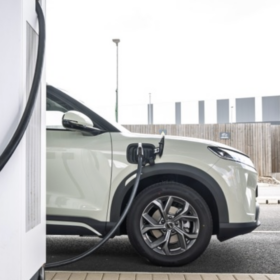
Australia makes gains in electric vehicle uptake
Australia recorded a sharp rise in electric vehicle sales in 2025, with new-car sales data showing nearly 157,000 EVs were purchased nationwide, up 38% from the previous year.
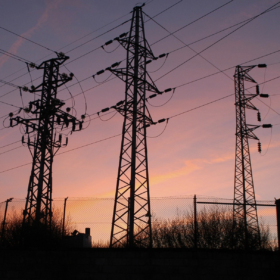
French regulator highlights flexible grid connections, battery queue pressures
France’s energy regulator says wider use of flexible grid connections is becoming essential as solar and battery projects compete for limited network capacity, with storage connection queues now totaling 2.8 GW.

Ecuador plans 2.1 GW power auction with high share of solar
The Ecuadorian government has announced plans to tender 2,100 MW of new power generation capacity, with large-scale solar projects expected to account for a significant part of the mix.

Türkiye installs 4.7 GW of solar in 2025
Türkiye’s cumulative solar capacity is approaching 25 GW after another strong year for new deployments, led by installations for self-consumption in the commercial and industrial market.
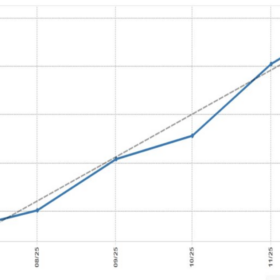
Australia adds 1.2 GWh of behind-the-meter battery storage in December
More than 1.2 GWh of new behind-the-meter energy storage capacity was installed across Australia in December 2025 as households and businesses sought to take advantage of the federal government’s revised AUD 7.2 billion ($4.9 billion) Cheaper Home Batteries Program.
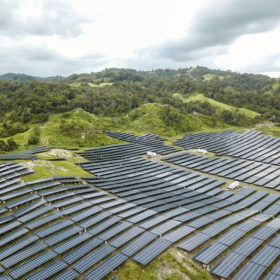
Grid code standards key to unlock Indonesia’s solar potential
New research shows how modern technical standards, combined with broader regulatory and grid reforms, are essential to ensure system reliability in the Indonesian electricity system as renewable capacity grows.
