Global solar capacity may reach 1,448 GW in 2024
SolarPower Europe has predicted the volume of new PV capacity added this year will be 4% less than last year’s figure because of the Covid-19 crisis. At the end of 2019, the world had topped 630 GW of solar. For 2020, around 112 GW of new PV capacity is expected, and in 2021, newly installed capacity could be 149.9 GW if governments support renewables in their coronavirus economic recovery plans.

Ukraine government presents FIT cuts and new auction rules to parliament
The Ukrainian government’s conference rooms have been stuffier than usual lately, as policymakers and renewable energy industry representatives attempted to thrash out a compromise to reduce the financial burden left on the administration by a feed-in tariff incentive regime which drove almost 2 GW of generation capacity. The resulting retroactive cuts to payments, outlined below by Ukraine-based lawyer Svitlana Teush, have at least had input from both sides.
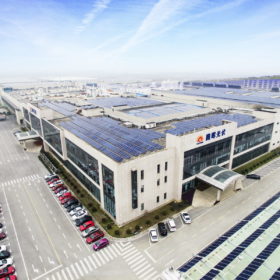
Chinese PV Industry Brief: 3 GW of new heterojunction capacity and a 1 GW solar-storage-hydrogen project
Talesun has announced plans to deploy 1 GW of new heterojunction solar cell production capacity, while rack manufacturer Akcome Technologies revealed plans to annually produce 2 GW of the same tech. Panda Green, meanwhile, has secured the exclusive rights to a 1 GW project featuring PV and photothermal generation.

Indian Railways tenders 400 MW of grid-connected solar
Bidders have until September 16 to pitch for generation capacity which can be installed on vacant land owned by the rail company nationwide.
Bangladeshi solar installers have $1.5bn plan to light up health centers
The companies driving the solar home system boom in the nation, in part with the help of public money, wants Dhaka to authorize the addition of PV in 18,000 public health facilities.
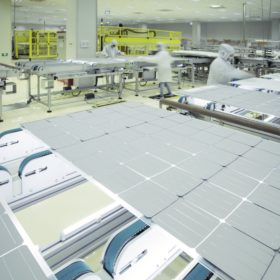
Analyst expects ‘unprecedented’ consolidation of Chinese solar industry
PV manufacturers unable to live with proposed new quality guidelines and project developers alike are set to be squeezed out by the state in the world’s biggest solar market, according to Frank Haugwitz, who has compiled a market update as preparations for the next five-year plan gather pace.

pv magazine’s Roundtables go virtual and reach a global audience
The COVID-19 pandemic featured prominently at this week’s inaugural pv magazine Virtual Roundtables Europe, which took place this past Tuesday and Wednesday. Not only did the pandemic lead to the virtualization of pv magazine’s established June Roundtables, but it was a big topic in the final session on Wednesday dealing with markets and specifically the further development of Power Purchase Agreements (PPAs) in Europe.
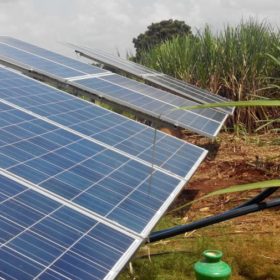
India set for 10 GW of agricultural solar
The Indian state of Andhra Pradesh – which had commissioned an aggregate 3.53 GW of solar capacity as of May 31 – will set up the new plants to ensure nine hours of daily free power supply to the agricultural sector.
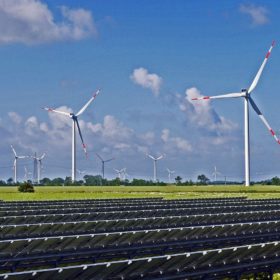
India set to add 15 GW of wind-solar hybrid capacity in five years
Almost 10 GW of hybrid generation capacity is already under implementation despite the nation having only 100 MW of combined wind and PV projects at present, according to analyst Crisil.
Covid-19 weekly round-up: Predatory takeover fears, Ieefa takes aim at the IEA and diverse perspectives on e-mobility
Analysts appear divided on the effects the public health crisis will have on the EV market even as sales of petrol-engined SUVs soar in China. And Portugal is plowing on with its Covid-delayed national solar tender, an exercise which may help establish whether clean energy thinktank Ieefa is right to predict PV prices will continue to fall.
