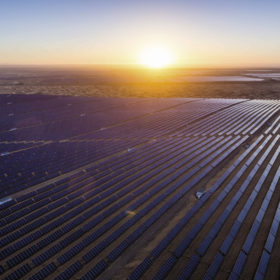
CPIA: China will add 40 GW of solar in 2020
The China Photovoltaic Industry Association secretary-general has revealed the world’s biggest solar market is unlikely to add more than 30 GW of solar generation capacity this year after just 17.5 GW was installed to the end of October.
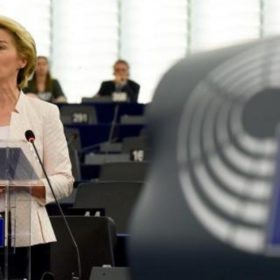
EU Commission presents ‘historic’ European Green Deal plan
Described as “historic”, the draft outlines the future climate protection course of the European Union. Overall, the EU should become climate neutral by 2050, and trigger €1 trillion in investment. €100 billion is expected to be made available for the transition. This is to be formalized in a climate law in the coming months. Although solar was noticeably absent in the draft, plans have been detailed by SolarPower Europe as to how it could be included.
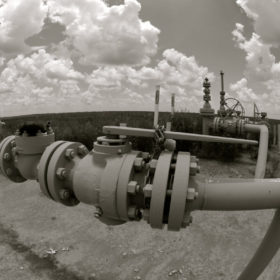
Investors learn about Tasmania’s green hydrogen potential
The Australian state of Tasmania has approached international investors to present its unique potential for the production of hydrogen from renewable sources, as it aims to position itself at the forefront of the nation’s green hydrogen push.
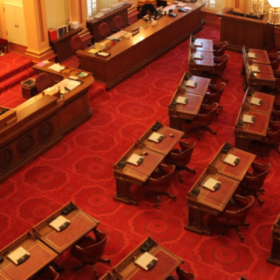
US senators call for Huawei ban in letter to energy regulator
Eleven U.S. Senators have signed a letter to the Federal Energy Regulatory Commission about the threat that Huawei’s equipment poses to the nation’s energy infrastructure.
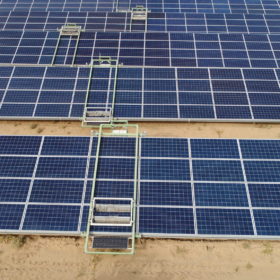
ReNew Power, South Korea’s GS E&C to build 300 MW of PV in India
The Indian developer will hold a 51% stake in the venture, with Seoul-based GS E&C taking the remainder. The capacity was awarded under Solar Energy Corp. of India’s tranche-IV auction earlier this year.
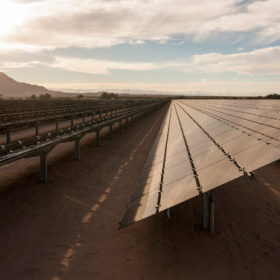
ARENA announces major research funding into end-of-life solar PV issues
The Australian Renewable Energy Agency has announced AUD 15 million ($10.3 million) in research funding to investigate end-of-life issues for PV modules. Ultimately it is hoped that the research will increase solar PV efficiency while lowering costs.
Date set for Panda Green state bail-out vote
The Hong Kong-listed, Chinese state-owned solar developer is in a race against time to settle a US$350 million bond which is due to mature on January 25. The bail-out, which will be put to the vote on December 30, will leave the company a further US$125 million shy.
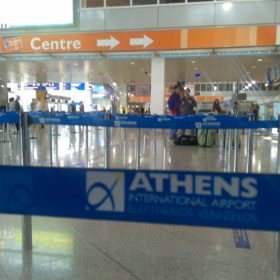
Solar to the fore as Athens Airport announces plan for net zero carbon ground operations by 2025
Greece’s largest international airport has set a goal to operate as a net zero carbon emitter by 2025, mainly via investing in on-site solar. Should the goal be met, the airport will be Europe’s first to rely on self-generated electricity and operate with net zero emissions.
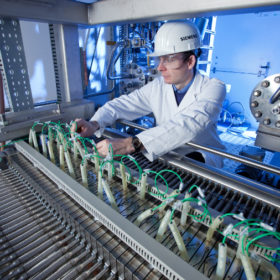
European Investment Bank signs hydrogen investment deal
The EIB and the Hydrogen Council aim to jointly develop new ways to generate funding for hydrogen projects under the European Commission’s InnovFin Advisory program. The two parties, however, have not disclosed the financial terms of their planned collaboration.

Netherlands: Bid to exclude grid-congested areas from subsidy fails to stem solar tide
Some 7,525 renewables projects with a total generation capacity of 6,223 MW are under review by the Dutch Ministry of Economy in the second round of the SDE+ program for this year. Solar accounts for 74.7% of the submitted capacity.
