
QMC licences quantum dot, thin film cell technology for Indian manufacture
Indian company Amtronics CC has paid Quantum Materials Corp an initial $500,000 as part of an agreement securing the right to manufacture quantum dots and thin-film quantum dot solar cells based on QMC technology for commercial supply in India. Construction has already started on a manufacturing facility in the state of Assam.
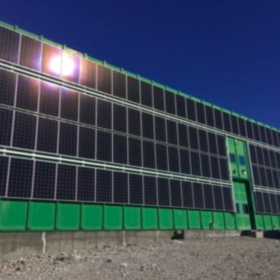
Australia’s first solar farm in Antarctica opens at Casey research station
A 30 kW vertical array has been powered up at Australia’s Casey research station in Antarctica. The project is one the largest solar installations on the ice-covered continent.
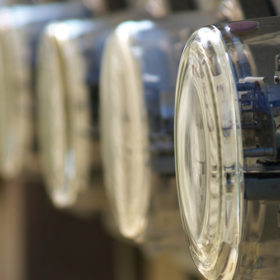
The good, the bad and the strange of net metering policy changes
Maine will restore net metering, Kentucky is gutting it and Arkansas has opened the door to any one of a number of changes, as the foundational policy for distributed solar sees ups and downs across the nation.

Bangladesh to complete 7.4 MW of solar capacity in April
A 7.4 MW solar plant will start generating electricity next month in Rangamati, in Bangladesh’s Chittagong Division.

Shareholders vote through Panda Green debt repayment plan
Stockholders agree to hefty dilution of their shareholding in order to raise funds to pay looming HK$1 billion debt, with state-owned entities including a designated buyout fund due to control up to a third of the new business.
Japan could install 150 GW by 2030 — report
Japan’s cumulative installed PV capacity could reach 150 GW by 2030, from roughly 55.5 GW by the end of 2018, according to a new report by Tokyo based research firm RTS Corp.
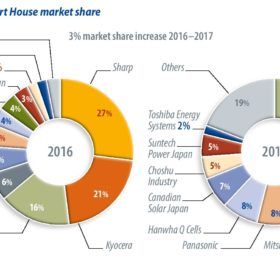
A year for transition: Japan’s move beyond the big scale
For the past few years, Japan’s solar industry insiders have been eyeing 2019 as a year of transition in the residential rooftop market, as the original 10 year feed-in tariffs come to an end. So, what will this post-FIT landscape look like, and how are Japan’s leading PV suppliers preparing for the future? Hanwha Q Cells’ Japan Marketing Manager Junichi Katayama breaks down the main points.
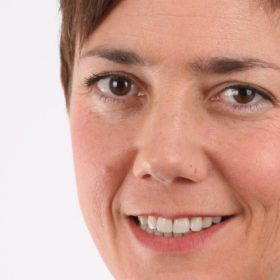
A 20% solar electricity ambition and 30 million roofs for Europe
The new CEO of SolarPower Europe, Walburga Hemetsberger, explained her goals for the development of the European solar industry in the next 10 years when interviewed by pv magazine during the association’s SolarPower Summit in Brussels.
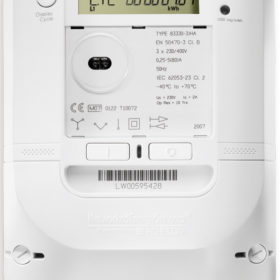
Smart meters set to disrupt the arch disrupter solar
In both Belgium and Chile, the planned mandatory installation of smart meters is raising concerns among consumers, residential PV system owners and the solar industry. Although seen as a positive, the early stages of smart meter deployment create issues related to the calculation of net metering tariffs and the management and ownership of consumption data, as well as additional costs for consumers.

Smart electrification 36% cheaper than green hydrogen in Europe
A report commissioned by the European Climate Foundation suggests a fossil fuel-free energy system in Europe by 2050 should largely rely on smart electrification and energy efficiency. Green hydrogen deployment, the report finds, would require prohibitively expensive infrastructure investment.
