
Ukraine makes a bid for PV growth
The final segment in pv magazine’s look at unsung solar markets heads to Ukraine, where a generous feed in tariff and developments in the corporate PPA segment looks likely to push installations past the 1 GW mark for 2019.
No respite for REC Silicon as shutdown dominates Q2 figures
The Norwegian polysilicon supplier – which has most of its manufacturing operations on U.S. soil – cannot give any estimate on when its solar material production lines will return, and has been left entirely dependent on the semiconductor products made by its Montana facility.
Greece returns to growth
After a few years of stagnation, Greece’s PV industry is back with a plan to tender 430 MW in 2019 and to develop hybrid PV and wind projects.

The U.S. Congress is (finally) talking about full decarbonization
Details are sparse, but today the U.S. House of Representatives’ Committee on Energy and Commerce is holding its first hearing towards coming up with a plan to fully decarbonize the U.S. economy by 2050.
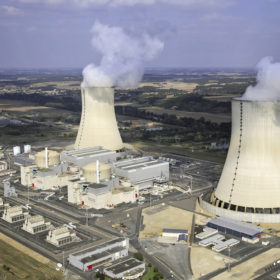
Nuclear: A poor investment strategy for clean energy
Study claims that investment in a new 1GW nuclear power plant leads to average losses of approximately 4.8 billion euros. It further argues that the technology’s dangerous radioactivity emissions and proliferation risks do not qualify it as a ‘clean’ energy solution to be considered for addressing climate change. Yet still, governments are incorporating the technology into clean energy plans around the world.

Benin launches 50 MW solar tender
Bidding for pre-qualification to the tender is open to developers until August 19. The projects are being developed in the frame of the Millennium Challenge Account-Bénin II (MCA-Benin II) program.
New-look auctions fire up Brazil
Next up in pv magazine‘s unsung solar markets series is Brazil, where a new series of auctions for solar has provided much needed clarity to the sector, at least up until 2021.

Myanmar issues tender for rooftop PV
The nation is targeting an unspecified capacity of solar PV systems to be installed on households and public facilities across several of its regions. The successful projects will be jointly financed by the World Bank and the government of Myanmar.

Putting China’s electricity market reforms on the spot
A report by the U.S.-based Rocky Mountain Institute has modeled scenarios for the deregulation of electricity markets in China. The report finds the implementation of a spot market would drive increased integration of renewables and provide significant reductions in costs and emissions.
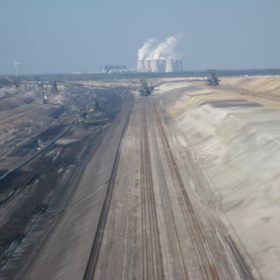
EU coal regions could deploy 730 GW of PV while retaining employment rates, study finds
A study performed by the Joint Research Center of the European Commission has identified serious solar potential in Europe’s coal regions. According to the study, the transition to PV would also allow for similar full time employment equivalents as that of the coal industry.
