
Kuwait forecast to reach 2.9 GW of solar by 2030, 10.1 GW by 2035
Kuwait’s solar capacity, which stands at around 50 MW today, is expected to surpass 1 GW in 2029 before increasing rapidly over the first half of the next decade to surpass 10 GW by 2035, according to forecasts made by Rystad Energy.

Global Solar Council launches global trade association for battery storage
The Global Solar Council has launched what it calls the first global trade association for battery storage to drive manufacturing, deployment, recycling, and adoption of new technologies.
Solar and wind integration crucial as Southeast Asia electricity demand grows
The International Energy Agency’s latest report says solar and wind energy are well placed to meet Southeast Asia’s growing electricity demand. It adds that while additional deployment will create flexibility challenges, most countries in the region can integrate more solar and wind energy without requiring major system changes.
Renewables overbuilding, proactive curtailment can reduce Europe’s energy system costs
New research from the Netherlands showed that renewables and short-term storage can meet around 92.5% of Europe’s electricity demand in future energy scenarios, with the remaining 7.5% being satisfied by green hydrogen. The scientists considered Europe as fully self-sufficient with zero import-export of power or hydrogen, with each of the 37 countries included in the modeling having a self-sufficiency rate of at least 80%.
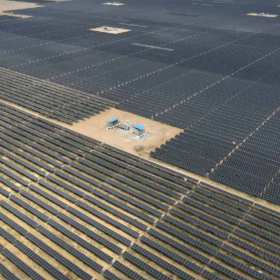
India on track to add more than 45 GW of solar in fiscal 2026
India installed 18 GW of solar in the first five months of fiscal 2026 and is projected to exceed 45 GW for the year, with rooftop and open-access systems driving growth alongside tax cuts and expanding manufacturing capacity.

Malaysian utility launches rebate program for residential PV
Sarawak Energy says it will grant rebates of up to $2,800 for PV systems planned to operate under Malaysia’s net metering scheme.
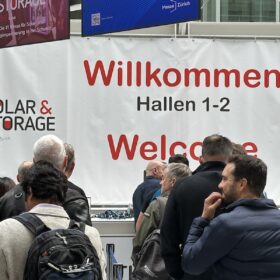
Solar & Storage Live Zurich 2025 reflects growth of Swiss PV sector
At the Solar & Storage Live trade fair, Swiss and European wholesalers were represented with products from manufacturers in Germany, Lithuania, Norway, Switzerland, and, of course, China. Some manufacturers also had their own booths, and there was also a new area for installers.

‘Preaching to the unconverted’ – EUPVSEC 2025 kicks off in Bilbao
The annual European Photovoltaic Solar Energy Conference (EU PVSEC) got underway today, this year in Bilbao. Conversations on the first morning focused on the need for strong policy support across multiple areas of renewable energy. While the week is sure to be filled with new ideas on the technological side, it’s clear that ensuring policies to support further growth in renewable energy is a growing challenge. Those working in the solar industry and research community need to reach a wider audience, and one that may not be as easy to convince.
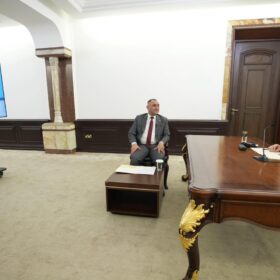
Iraq inaugurates first phase of largest solar plant to date
The first phase of the Karbala solar power plant, totaling 22 MW, is now online. Its capacity is expected to reach 75 MW within the next two moves, ahead of a final 300 MW target.

Renewables supply record 77.9% of power in Australia’s main grid
The share of renewables in Australia’s main electricity grid continues to reach new highs, delivering 77.9% of electricity demand on Sunday with solar power contributing more than 55% of the record-breaking clean energy mix.
