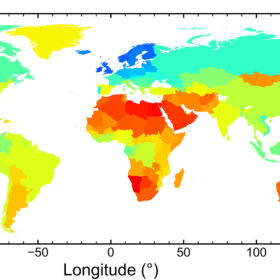
Solar PV Capex could fall to $192/kW by 2050
A review of 60 renewable energy studies finds that by 2050, solar PV and wind could supply 80–100% of electricity, but overly conservative Capex assumptions and simplified PV modeling often underestimate deployment potential. While future PV costs depend on supply chains and geopolitical risks, historical experience suggests medium-term risks are manageable, and material constraints are being resolved.

How Switzerland plans to integrate 40 GW of solar by 2050
Swiss national grid company Swissgrid teamed up with a group of Swiss energy expects to publish a white paper covering how Switzerland can integrate up to 40 GW of solar by 2050 while maintaining safe and reliable operation of the grid.
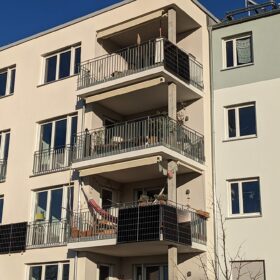
UK opens door to plug-in solar boom
In its first monthly column for pv magazine, UK-based consultancy Ricardo, part of the WSP Group, explain how UK will soon allow low-cost plug-in solar panels under 800 W to be installed without a qualified electrician, making home solar more affordable and accessible. These portable systems, expected on sale by summer 2026, could significantly boost household solar adoption while complementing the country’s wider renewable energy growth.
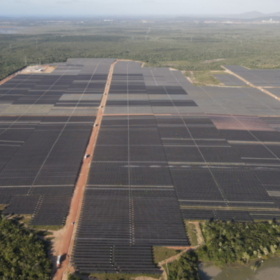
Brazil adds 2.3 GW of solar in first two months of 2026
Brazil installed 2.3 GW of solar capacity in January and February, as centralized generation more than doubled while distributed growth declined.
Greece installs 1.9 GW of PV capacity in 2025
Greece installed around 1.9 GW of new solar capacity in 2025, bringing total installed solar capacity to roughly 11.5 GW, according to industry estimates.

‘Photovoltaics are, first and foremost, about energy security’
In an interview with pv magazine, Carolina Novac, Secretary of State at Moldova’s Ministry of Energy explains how the country raised its solar capacity to 1 GW while advancing wind, storage, and regulatory reforms to strengthen energy security and reach 30% renewables by 2030. The Moldovan government is now focusing on scaling BESS, modernizing the power market, and enhancing cybersecurity through stronger policies and international cooperation.
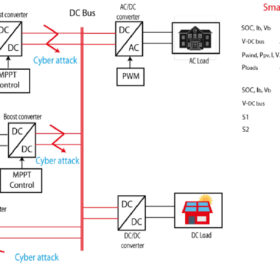
All emerging cyber threats targeting power infrastructure at a glance
Researchers in Moroco analyzed cybersecurity challenges in smart grids, highlighting AI-driven detection and defense strategies against threats like distributed denial-of-service, false data injection replay, and IoT-based attacks. They recommend multi-layered protections, real-time anomaly detection, secure IoT devices, and staff training to enhance resilience and safeguard power system operations.

Hydro-Québec launches grant for residential, commercial solar
Hydro-Québec has introduced a grant offering up to CAD 1,000 ($718.40) per kilowatt installed, covering up to 40% of eligible costs to accelerate rooftop solar adoption and reduce payback periods for residential and business customers in the Canadian province of Québec.

‘Motherhood further shaped my leadership perspective’
This week Women in Solar+ Europe gives voice to Margarita Licht, Product Manager BESS & Charging at Germany’s Goldbeck Solar. She says diverse perspectives and cognitive styles are essential in the solar and energy storage sector, enabling smarter solutions, effective problem-solving, and long-term planning. She also emphasizes that creating inclusive environments, fostering allyship, and choosing workplaces that value authentic strengths empower growth and drive meaningful impact.

New intrusion detection systems boost protection of SCADA systems against cyber threats
An international reserch team developed two deep learning-based IDS models to enhance cybersecurity in SCADA systems. The hybrid approach reportedly improves detection of complex and novel cyber threats with high accuracy, adaptability, and efficiency, outperforming traditional methods across multiple datasets.
