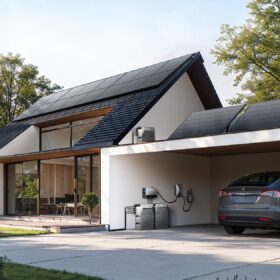
Australia installs 400,000 home batteries in 10 months for 11.2 GWh
Australia is in the grip of a consumer-led energy storage boom with new figures showing more than 400,000 batteries representing 11.2 GWh of storage capacity have been installed nationwide in the past 10 months.
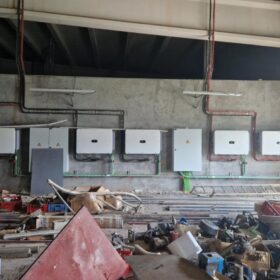
Thailand opens investigation into faulty solar installations
Thailand’s Consumer Protection Board is supporting homeowners located across three different areas of the country who have reported substandard solar installations, including signs of equipment melting and burning.
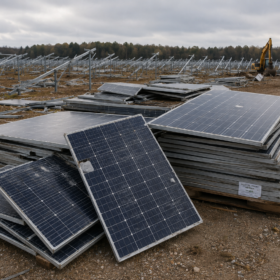
EU solar recycling only viable under strict policy, say researchers
TU Wien researchers say binding EU policy targets are essential to make solar module recycling economically viable, with exports to third countries remaining the cheapest option for member states in their absence.
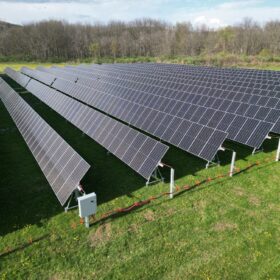
Intelligent solar siting neutralizes local opposition at near-zero cost
Macro-siting models that protect sensitive habitats and farmland from utility-scale development reduce permitting friction for a mere 0.17% cost premium.
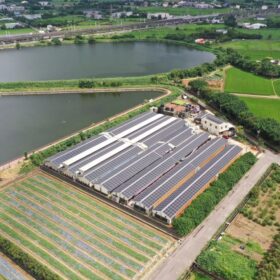
Taiwan shifting to regionalized approach for solar permitting
Taoyuan’s Department of Economic Development says its new guidelines for solar projects are designed to make photovoltaics “reliable and trustworthy neighbors.” Solar operators will be required to inspect environmentally-sensitive areas during the planning of future projects and prepare plans for storing damaged solar panels as a result of any natural disasters.
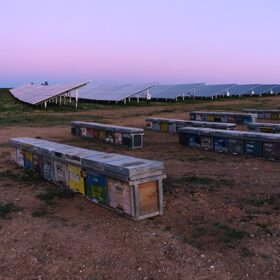
Spain, France set benchmark in renewables expansion without biodiversity loss
A research from Switzerland has compared how France, Italy and Spain integrate biodiversity into renewable energy planning, spatial policy, and ecological impact monitoring under the European Green Deal. The findings show France and Spain have more advanced frameworks, while Italy remains more regionally fragmented, with major gaps in cumulative impact assessment across all three countries.
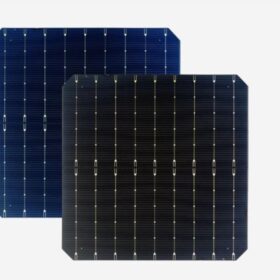
Toyo denies Ethiopia duty evasion, confirms 4 GW ramp and US cell plant
Toyo Co. says a new anti-circumvention petition targeting its Ethiopian solar cell facility is “riddled with misinformation.” The Japanese manufacturer tells pv magazine that the site reached 4 GW of capacity last year and that it is planning a U.S. onshore cell plant.
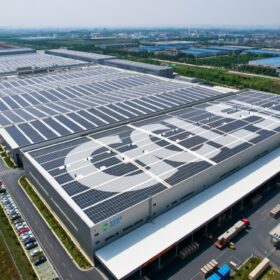
GCL Technology expands beyond PV with new energy storage business
GCL Technology is expanding into lithium-ion battery storage based on LFP materials as part of a shift toward a “multi-product” new energy platform.
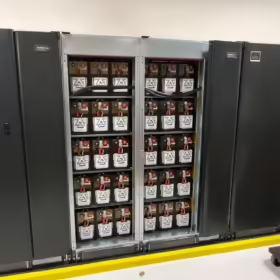
Rechargeable zinc batteries: Overcoming challenges and finding opportunities
Josef Daniel-Ivad from the Zinc Battery Initiative updates the current scaling of zinc battery manufacturers and technology.

Romania moves from solar to storage rebates
Romania is not planning to run a grant scheme offering non-repayable funds for home solar installations for a second year running, instead aiming funds at existing solar prosumers looking to install battery storage systems. The Romanian Photovoltaic Industry Association expects strong growth in Romania’s rooftop PV market to continue despite the absence of solar-specific installation grants.
