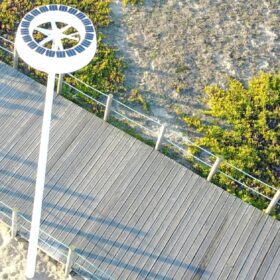
Hybrid solar-wind streetlight offers multiple functions
Omniflow has developed a line of hybrid solar-wind streetlights. It offers optional solutions to integrate for security, phone recharging, and Internet of Things applications.

Agrivoltaics for sorghum, soybean grain
Researchers in the United States found that shading from agrivoltaic systems reduces grain numbers in both sorghum and soybean, but sorghum can partially compensate by increasing grain weight while soybean cannot. The study shows that sorghum and soybean respond differently due to their physiology, offering guidance for crop selection and management to minimize yield penalties in agrivoltaics.
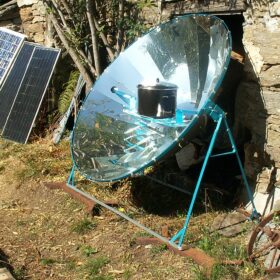
Efficient solar PV cooking with sand-based thermal energy storage
Scientists in Ghana have developed a device that combines a conventional solar PV-powered steam cooker with sand-based thermal energy storage. The system can achieve a thermal efficiency of 38.9% and has a payback period of 4.5 years.
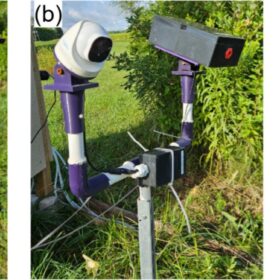
Open-access, modular monitoring platform for multi-year outdoor PV testing
A team of researchers in Canada has developed the Jericho Open Resistive Data Logger—an open-access photovoltaic (PV) monitoring platform that integrates data acquisition and processing hardware, a software framework, and a comprehensive sensor array. Designed primarily for agrivoltaic applications, the system has a total estimated cost of around $2,000.
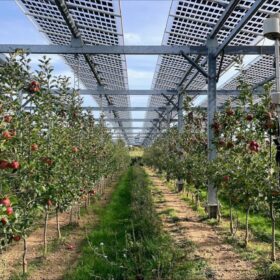
SolarPower Europe unveils agrosolar policy map
The policy map highlights that only five of the 18 EU Member States included in the tool have set a legal definition of agrivoltaics. SolarPower Europe is calling on policymakers to develop an EU-wide definition.

Toyota developing two-seater electric vehicle with solar roof
Toyota Manufacturing UK says it is leading a consortium to investigate the feasibility of a lightweight micro-mobility electric vehicle with a PV roof, digital connectivity, and sustainable components.

PV-driven desalination system for brackish water
Algerian researchers have built a single-stage solar and battery desalination system for brackish water that uses a hybrid spotted hyena optimizer and maximum power point tracking (MPPT) algorithm to improve efficiency. Simulations and real-time tests showed high performance, steady water output, and low salinity under changing solar conditions.

PV-powered sorption system for atmospheric water harvesting
Researchers in China have built an off-grid rapid-cycling sorption-based atmospheric water harvesting system. Powered by three PV modules, the system was tested with four condensation methods indoor and outdoor.

Standardized testing for indoor PV
Researchers at Simon Fraser University in Canada have proposed protocols for standardized testing to avoid skewed results. The validated recommendations cover procedures for key measurements and the use of the indoor PV reference cell method.

Swiss startup offers timber-framed solar carport
Urbanpv has developed a timber-framed 46 kW parking lot design for ten parking spaces including the access lane.
