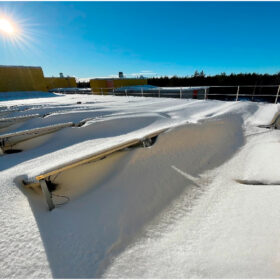
Scientists analyze seasonal performance of rooftop, vertical PV in the Arctic
New research from Finland shows that the best season for rooftop PV generation in the Arctic is spring, and that the best tilt angle for rooftop systems is 28 degrees. It also showed that vertical PV installations perform better in winter.
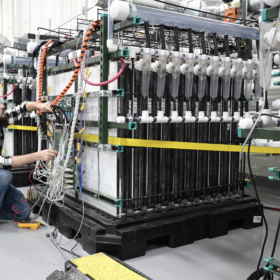
Multi-day energy storage increases grid capacity by factor of 10
Form Energy has released a white paper that provides further evidence that multi-day energy storage, like its iron-air technology, can substantially reduce the costs for New York to achieve its ambitious decarbonization targets.

California utility pays $175,000 settlement for false ‘renewable’ advertising
The Southern California Gas Company has agreed to a settlement of $175,000, without admitting fault, to cease claims that their gas is ‘renewable’. The company will also update its website to clarify that only 5% of its gas comes from renewable sources.
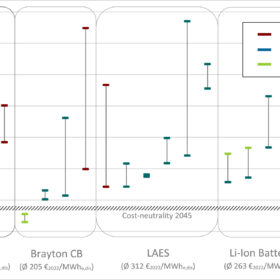
The economics of storing renewables with Carnot batteries
A group of researchers in Denmark has investigated how Carnot batteries may be used to store renewable energy in their home country and have found that these devices may provide a significant contribution only under a certain cost threshold.
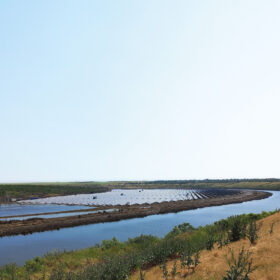
Weekend Read: Hopes washed away
The Ukrainian solar industry had hoped that a long-anticipated counter-offensive against the Russians would help reclaim PV assets on the eastern bank of the Dnipro River. The brutal reality is that the destruction of the Kakhovka dam has likely severely damaged solar plants in the affected territories, reports Ian Skarytovsky.
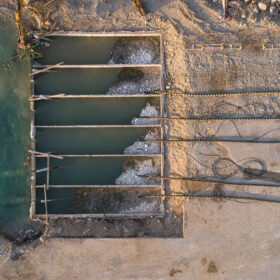
Weekend Read: Curtailment crisis in Cyprus
The typical volume of excess clean power wasted daily on the island has rocketed since last year. With a fossil fuel industry veteran heading the energy department after February’s presidential election, what prospect is there of a green transition?
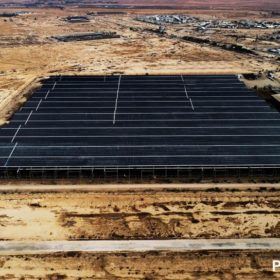
Solar, storage, and V2G at the core of Israel’s future energy system
New research has shown that Israel has the technical potential to deploy 172.5 GW of photovoltaics, of which 132.1 GW would be from conventional installations and 40 GW from agrivoltaics. If deployed, this full potential would require energy storage with a capacity of at least 500 GWh and strong development of vehicle-to-grid technologies.
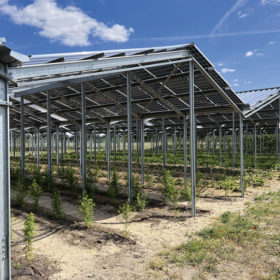
Croatia adopts legal framework for agrivoltaics
The Croatian government has adopted bylaws to the Spatial Planning Act that define agrivoltaic installations and the areas in which they can be deployed, in order to facilitate future deployment.
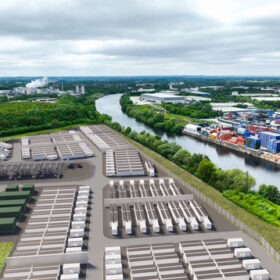
UK coal-fired power plant site to host 1,040 MW/ 2,080 MWh battery
Independent energy infrastructure developer Carlton Power has secured planning consent for a 1,040 MW/ 2,080 MWh battery energy storage system (BESS). The project is expected to strengthen the resilience of the energy system in northwestern England.
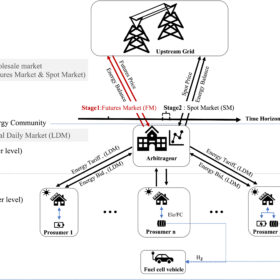
Energy communities operating on hydrogen, batteries
Researchers in Spain have studied the impact of hydrogen production and storage technologies in risk management for energy communities with internal price-tariff systems. They found that the optimal involvement in futures markets and spot markets will depend on a community’s risk aversion and self-sufficiency.
