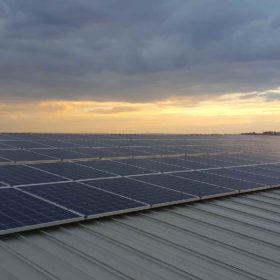
Strategies to prevent overvoltage-induced inverter disconnections
Australian scientists have identified seven methods to prevent PV losses when overvoltage-induced inverter disconnections occur. The methods include battery storage, reactive power inverters, export limits, distribution static synchronous compensators, the replacement of old conductors in power grids, load reconfiguration, and dynamic voltage restoration.
Texan utility tenders 900 MW of solar, 50 MW of storage
CPS Energy has taken the first step towards bringing those volumes – plus 500 MW of firming capacity – to the Lone Star State in pursuit of the power company’s 50%-renewables-by-2040 goal.

Testing floating PV, storage and hydrogen at Netherlands’ largest off-shore wind complex
Energy companies Shell and Eneco have secured the tender to build the 759 MW wind power plant. The partners will build a pilot solar park, short-term storage capacity and a green hydrogen plant at the facility, to assess their capabilities of balancing intermittent power.
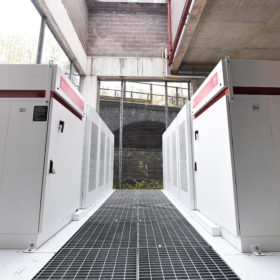
PG&E, Tesla start building world’s biggest battery
The 182.5 MW/730 MWh Moss Landing energy storage system could eventually be expanded to 1.1 GWh – putting it on track to overshadow Tesla’s massive Hornsdale project in Australia.
Grid constraints threaten to curtail more than 1 GW of solar projects in North Queensland
The northern Australian region this week added nine solar plants to the two already threatened – along with a wind farm – with having their output halted under certain conditions.
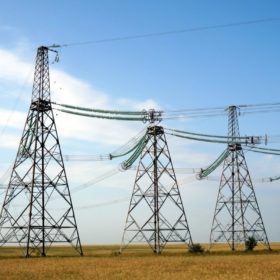
New solar+storage converter for greater grid stability
Scientists from the Institute of Electrical and Electronics Engineers have presented research suggesting a new topology for residential solar+storage inverters.
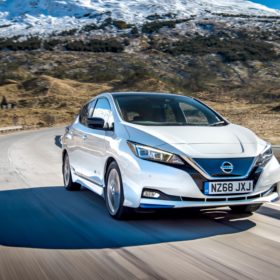
Vehicle-to-grid business model would make Canadian EVs cheaper than conventional rivals
Canadian non-profit Plug’n Drive has looked at Ontario’s time-of-use electricity rates and found electric vehicle owners could generate substantial income by charging at night and selling to businesses during the daytime. Doing so could mean EVs have a lower net cost than conventional vehicles.
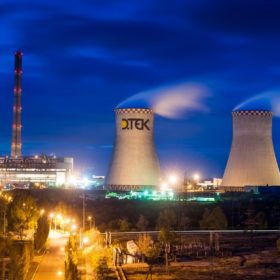
Ukraine’s first utility scale battery – supplied by Honeywell to a fossil fuel plant
North Carolina-based Honeywell will supply a 1 MW/1.5 MWh lithium-ion battery storage system at the Zaporizhzhya Power Plant belonging to utility Dtek.

Ukraine defines level of retroactive FIT cuts
Parliament has adopted Draft Law 3658 which can now be signed into law by the president. Payment reductions for solar have been further eased and curtailment will now be compensated but talk of extending the duration of the newly-reset FIT levels appears to have fallen by the wayside.

Ukraine’s law on FIT restructuring has passed: The expert view
Ukrainian renewable energy lawyer Svitlana Teush takes a look at the law which will define the cuts to be applied in Ukraine after extensive negotiation between government and the clean energy industry.
