
New ferroelectric material for lead-free perovskite solar cells
US scientists have discovered a lead-free perovskite material with ferroelectric properties that can be used in solar cells. The perovskite compound was grown from cesium germanium tribromide and initial analysis shows that it produces ferroelectricity.
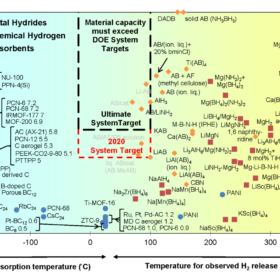
Solid-state hydrogen storage techniques at a glance
Scientists compared hydrogen storage techniques and found that physical methods are closer to commercial feasibility, while materials-based techniques have strong potential.

Enphase partners with Home Connect to manage home appliances from single app
Integrated clean home energy and smart appliances platform lets users run appliances on battery-stored solar energy in pre-determined time frames.
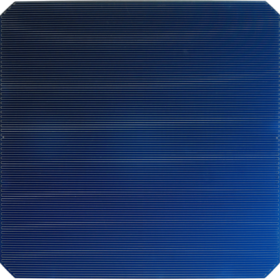
Laser-enhanced contact optimization improves TOPCon solar cell performance by 0.6%
Scientists in Germany have improved the efficiency of an industrial TOPCon solar cell from 23.8% to 24.1% by using laser-enhanced contact optimization as a post-firing treatment.
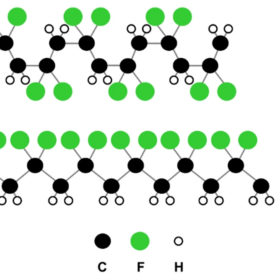
Putting polyvinylidene-fluoride backsheets to the test
US scientists tested PV modules built with backsheets and polyvinylidene-fluoride (PVDF) layers, to replicate the degradation the material has suffered in the field of accelerated testing. By exposing the modules to multiple stresses, they were able to cause degradation in the backsheet materials. Though this did not closely match what has been seen in the field, such testing can be useful in identifying potential weaknesses.
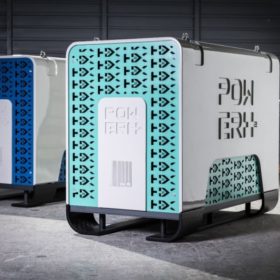
Australian startup releases new hydrogen generators
H2X Global has released the first of its hydrogen-powered generators in the Australian market.
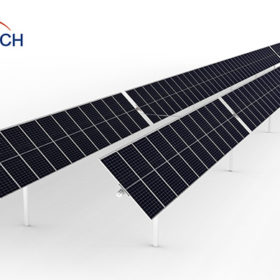
Arctech releases SkyWings single-axis solar tracker
Arctech has released a novel dual-row, single-axis solar tracker for use in different climates and topographies.
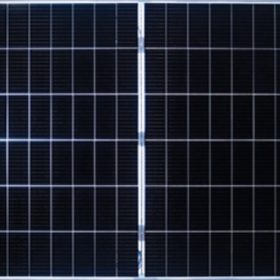
Vikram Solar unveils 660 W bifacial solar modules
Vikram Solar has unveiled new mono PERC bifacial modules with front-side power outputs from 635 W to 660 W. The modules feature glass-to-glass construction and provide up to 25% bifacial gain.
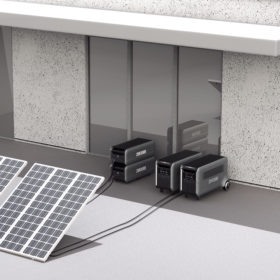
US startup unveils plug-and-play solid-state battery for residential applications
Zendure has developed a residential storage system using a semi-solid state battery with 6.438 kWh capacity. Each unit is scalable with up to four batteries, bring the capacity of one unit to 32 kWh and of two units to 64 kWh. The system can be used with solar panels.

Hydrogen bromide flow battery for large-scale renewables storage
Dutch startup Elestor has secured funds to bring its hydrogen bromide (HBr) flow battery technology closer to commercial production. It said the system could achieve a levelized cost of storage below $0.05/kW.
