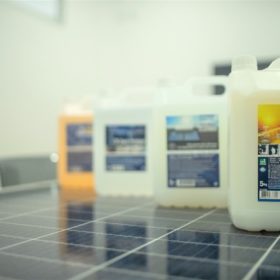
Detergent for solar module cleaning and protection
Developed and distributed by Portuguese start-up ChemiTek, the detergent is claimed to reduce water consumption by about 50% and increase energy production by up to 5%. The product was recently certified by the German laboratory TÜV Sud, according to the EN 61215 standard.

Simulation tool to measure effect of waves on offshore floating solar
Developed by scientists in Malta, the tool is said to predict yield gains or losses that waves can determine in offshore PV installations. The research group identified three movements an offshore array can be subject to, and for each of them provided specific measurements.
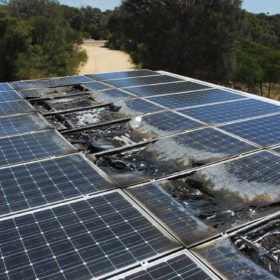
Australia removes much-criticized DC isolator mandate
Following years of lobbying, the Standards Australia Committee has removed the requirement for rooftop solar installations to include a DC isolator.
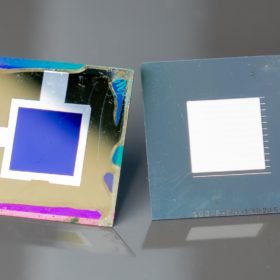
Helmholtz Center achieves 29.80% efficiency for perovskite/silicon tandem solar cell
The result was certified by Germany’s Fraunhofer Institute for Solar Energy Systems’ (ISE) CalLab and included in the charts of the U.S. Department of Energy’s National Renewable Energy Laboratory.
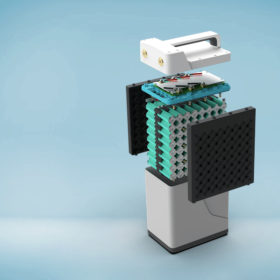
UK business claims to offer ‘world’s most sustainable lithium-ion battery’
English manufacturer Aceleron claims every component of its devices can be accessed for replacement, repair or recycling, with the business’ co-founder stating the aim is to ensure ‘100% of the materials in our batteries will continue to be used for as long as possible – preferably forever.’
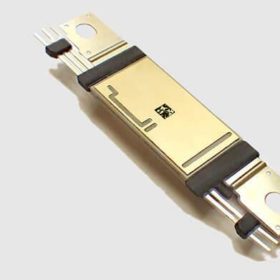
New efforts to bring silicon-carbide inverters closer to commercial maturity
U.S. multinational automotive supplier BorgWarner and U.S. semiconductor company Qorvo have both announced new plans to further develop their respective silicon carbide technologies. The latter has acquired New Jersey-based silicon carbide semiconductor provider United Silicon Carbide and the former wants to scale up its inverter technology for electric vehicles.
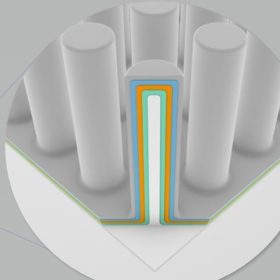
3D solid-state thin film battery from the Netherlands
Developed by a spin-off of Dutch research institute TNO, the battery is claimed to offer higher energy density, longer lifespan and increased safety compared to conventional lithium-ion batteries. It will initially be applied in wearables and electric cars.

Hyundai creates platform to help homeowners buy solar panels, battery and EV charger
The one-stop marketplace platform will be launched in the US market next year. It will help homeowners find the best combination of products depending on their consumption profile.
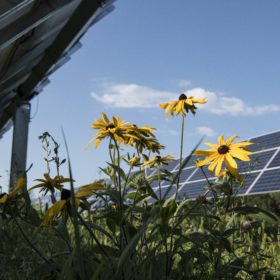
Clearinghouse to connect farmers and solar developers with agrivoltaics information
The platform was launched by the National Center for Appropriate Technology. The clearinghouse features a library of peer-reviewed information, videos, podcasts, news, and a forum for agrivoltaics discussion.

SunPower launches VPP offering for its energy storage customers
The US company will manage charging and discharging the batteries, while keeping some electricity in reserve for backup power to the home.
