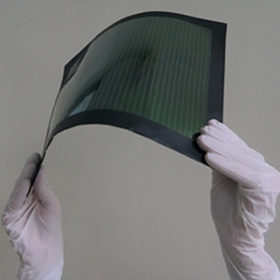
Toshiba claims 15.1% efficiency for polymer film-based large-area perovskite solar module
The result is claimed to be the highest efficiency ever reached for a large-area, polymer film-based perovskite photovoltaic module. The device has an area of 703 square centimeters and was fabricated through a new coating method.
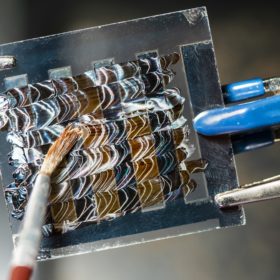
NREL scientists test back-contact architecture on perovskite solar cells
Scientists in the United States explored the use of all back contact architectures for perovskite solar cells. The group notes several advantages to this strategy, as well as challenges to overcome. Ultimately, the work outlines a route to cell efficiencies better than 20%.

Arctech Solar opens wind tunnel
The Suzhou-based tracker maker has opened a wind lab that can simulate speeds of up to 90m per second and will enable it to better advise customers on solar project design.
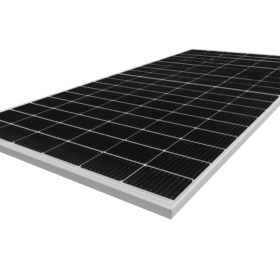
JA Solar, JinkoSolar, Longi reach consensus on 182mm module standardization
The three Chinese panel manufacturers found an agreement on the module size and the mounting hole spacing.
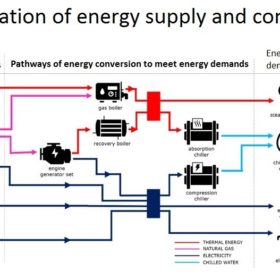
Mathematical model to couple PV, wind with cooling-heating-power systems
Brazilian researchers have proposed a new mathematical model to change parameters for wind and solar resources and different levels of energy demand. The model was originally conceived for tropical regions, but it can actually be used in any location. The new methodology models a highly complex system featuring wind turbines and PV modules, as well as solar collectors, fuel lines, gas boilers, engine-generator sets, recovery boilers, absorption and compression chillers, and grid electricity.

Hydrogen-powered vehicles to enter Australian market
Startup H2X is banking on bringing automotive manufacturing back to Australia with hydrogen. After it unveiled its Warrego pickup truck last week, pv magazine Australia caught up with the company’s corporate affairs specialist, Tony Blackie.

How safe are smart EV chargers?
Research has uncovered critical security threats associated with a number of common smart electric-vehicle chargers, but it’s not too late or too logistically difficult to remedy the issues.

All-perovskite tandem solar cell with 24.9% efficiency via cross-linkable small molecules
Scientists in China found that a change to the hole transport layer material helped to reduce voltage loss in a perovskite solar cell. The discovery demonstrates a promising new pathway to overcoming a major challenge for perovskites – particularly those used as the top layer in a tandem device.

Solar facade with frameless design
The frameless design of the 50 kW facade was made possible by a concealed suspension technology that, according to its creators, eliminates the need for additional edging at the edge of the module. The installation was built with 135 W CIGS solar modules.
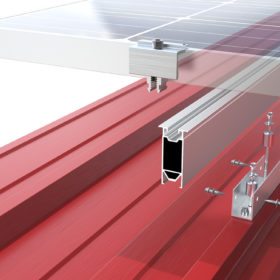
New mounting system for rooftop PV, from Austria
The mounting structure relies on a 5.8m long support rail that does not lie on the roof but is connected directly to a purlin placed below with self-drilling support screws.
