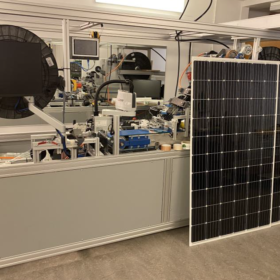
Sticking together
A cell interconnection method developed by a Swedish company promises lower-cost and higher-throughput production of PERC and more advanced silicon PV modules. The process is ready to move to pilot production, and its creators want to play a role in the anticipated European solar manufacturing renaissance.
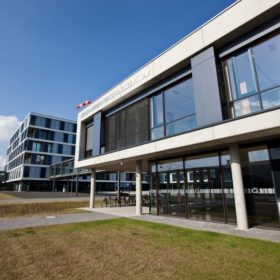
Q Cells commits to three-year, €125m German R&D spend
The Korean company has committed to invest in solar innovation in Germany at a time when the EU and member states are desperately trying to kick-start the Covid-19 recovery.

Easy-to-clean solar panel coating developed in India
The super-hydrophobic coating uses nanoparticles to reduce dust deposition on solar panels and cleans itself by the movement of water on modules.

There’s something fishy about this flow battery innovation
Scientists led by MIT have suggested chitin, a carbon and nitrogen-rich material made from waste shrimp shells, could produce sustainable electrodes for vanadium redox flow batteries and other energy storage technologies.
EU opens applications for €10bn, ten-year clean tech innovation fund
Funded by the bloc’s Emissions Trading System, the warchest will look to spend more than €10 billion on bringing clean energy innovations to market over the next decade. The scheme will work with other green recovery programs to secure jobs and lay a foundation on which to restart the European economy.
Hitachi-ABB Power Grids takeover could boost e-mobility and energy storage
The Japanese brand has closed the initial $6.85 billion purchase price for 80% of the Power Grids business that was owned by ABB. The buyer will have the option of purchasing the outstanding shares in 2023.

The weekend read: Adding blockchain to battery supply chains
Responsibility in battery supply chains has become a growing focal point over the last few years and will remain a key theme as demand for mobile phones, electric vehicles, and alternative forms of energy continue to increase. Alexander Preston from SAFE sets out how the application of blockchain technology can deliver visibility, build trust, and facilitate the battery sector’s digital transformation.

IEA report appears to acknowledge 2050 net zero may be beyond us
A study into the clean energy tech innovation rate required to keep global heating under control may suggest concepts such as lithium-air could yet keep us to the mid-century ambition, but it is also starting to contemplate the temperature rise to be expected if we only achieve net-zero by 2070.
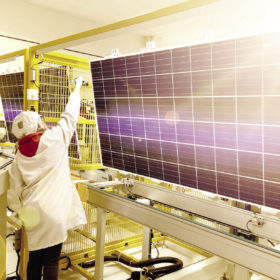
Canadian Solar joins the 500 W-plus panel club
The Chinese-Canadian company has unveiled a range of high-power modules which are set to go into mass production by early next year. The series includes a commercial and industrial rooftop-dedicated product offering a reported 405 W.

Lobbying clears the way for European solar trade show in September
The organizers of the Solar Solutions International event which was postponed in March have persuaded the Dutch government industry events should not be subject to the same Covid-19 restrictions as concerts.
