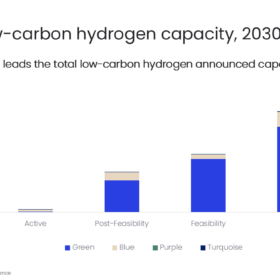
The Hydrogen Stream: Capacity outlook grows, deals shift
GlobalData says hydrogen capacity could reach 82.3 million metric tons per annum (mtpa) by 2030, while Topsoe has ended supply agreements with First Ammonia.
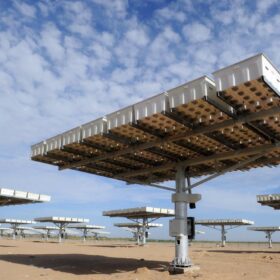
China PV Industry Brief: China adds 32.48 GW solar as polysilicon prices fall
China’s National Energy Administration (NEA) says newly installed solar capacity reached 32.48 GW in the first two months of 2026, while the China Nonferrous Metals Industry Association (CNMIA) says polysilicon prices fell by as much as 7.95% in the latest week.
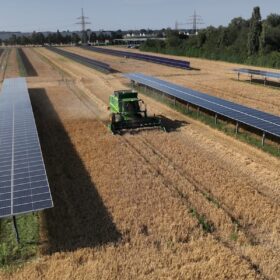
Agrivoltaics with trackers, vertical systems offer economic upside
An industry analysis argues that agrivoltaic systems using trackers or vertical designs can outperform conventional solar on both revenues and land use, challenging conclusions from a recent German study.
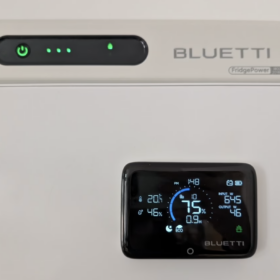
Bluetti targets home backup with fridge-focused battery system
Bluetti says its FridgePower system offers a plug-and-play battery solution designed to keep refrigerators and key household devices running during outages, without permanent installation.

‘Be kind to yourself and patient with your journey’
This week Women in Solar+ Europe gives voice to Irene Mihai, Policy Director at the Romanian Photovoltaic Industry Association (RPIA). She says her personal experiences show how mentorship, collaboration, and inclusive workplace practices are essential for attracting and retaining talent while empowering the next generation to contribute to a sustainable future.

European prosecutor investigates suspected solar tender fraud in Slovenia
The European Public Prosecutor’s Office is investigating an unnamed solar company after it breached conditions of a public tender for the co-financing of small solar plants. The office says house searches were carried out this week by Slovenian police, leading to the seizure of documents, electronic data and devices.
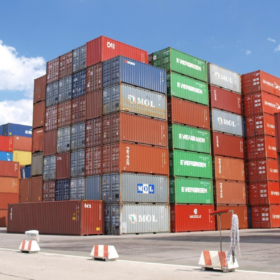
Brazil PV module imports fall 24% to 17.9 GW in 2025
Greener says Brazil imported 17.9 GWp of PV modules in 2025, with distributed generation accounting for 79% of volumes despite a slowdown in installations.

US ITC opens Section 337 probe into global TOPCon supply chain
The US International Trade Commission (ITC) has opened a Section 337 investigation into tunnel oxide passivated contact (TOPCon) solar cells, modules, panels, and related products following a complaint by First Solar, naming 47 entities across 11 countries as respondents.
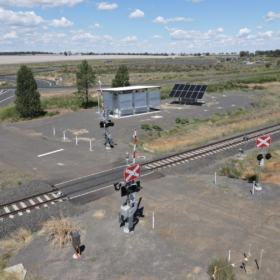
Inland Rail deploys solar-powered level crossings in Australia
Australia’s Inland Rail project says it has installed standalone solar power systems at two level crossings, removing the need for grid connections as construction progresses.

What are the selling points of marine energy?
Marine energy is renewable and generally predictable. It could thus compensate for the unplanned intermittency of solar and wind generation, its proponents argue. But several challenges still need to be overcome for the energy to become widely used.
