
Turkish manufacturer presents photovoltaic water heater
Adana-based WHS introduced a PV-powered water heating system that operates without an inverter, using 1.6 kW of direct DC solar input with integrated MPPT. The system supports hybrid operation with a 2 kW AC backup, runs at extra-low voltage of less than 50 V, delivers around 3 kWh/day of thermal energy, and heats water to 65–85 C for residential and small commercial use.

‘I joined the management team the day after returning from maternity leave’
This week Women in Solar+ Europe gives voice to Ilse Cappelle, Head of Marketing & E-commerce at Netherlands’ Libra Energy. She explains how returning from maternity leave directly into a leadership role showed her the company’s strong support for career growth and work-life balance.
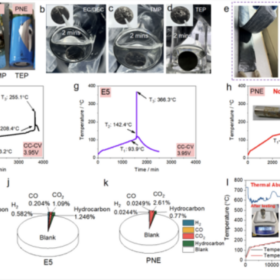
Sodium-ion battery study claims zero thermal runaway breakthrough
Researchers from the Chinese Academy of Sciences say a polymerizable non-flammable electrolyte improves safety in sodium-ion batteries while maintaining performance.

Japanese rail operator to procure 98 MW of new solar via corporate PPA
Tokyu Corp. and partners will supply Tokyu Railway with newly built solar power under a corporate power purchase agreement (PPA), covering about 30% of traction electricity demand.

Chinese module trading slows after export tax rebate cancellation
In a new weekly update for pv magazine, OPIS, a Dow Jones company, provides a quick look at the main price trends in the global PV industry.

Sweden connects 21,600 solar plants in 2025
Data from the Swedish Energy Agency finds there are now approximately 314,600 grid-connected solar plants in Sweden, the majority of which are systems smaller than 20 kW. The agency’s latest analysis also notes the rate of installations is slowing.
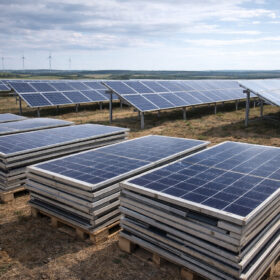
Search4Solar provides platform to bolster the secondary market for used PV modules
The online marketplace, which sourced more than 150,000 used photovoltaic modules in 2025, provides direct access to installers and developers for their repowering projects.

Solar PV, geothermal hybrid systems are more than niche solutions
Solar energy, driven by excellent resource conditions and rapidly improving economic attractiveness, is expected to emerge as a bulk energy supplier in future energy systems. The self-limiting effects of solar power can be circumvented through solar-hybrid solutions, such as PV-geothermal hybrid configurations.

Ontario backs 12 solar projects totaling 915 MW
The Canadian province of Ontario has shared the results of what it has called its largest public power procurement exercise in its history, offering contracts to 12 solar projects and two wind projects with a cumulative capacity in excess of 1.3 GW.
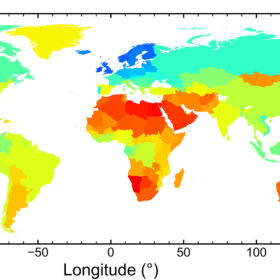
Solar PV Capex could fall to $192/kW by 2050
A review of 60 renewable energy studies finds that by 2050, solar PV and wind could supply 80–100% of electricity, but overly conservative Capex assumptions and simplified PV modeling often underestimate deployment potential. While future PV costs depend on supply chains and geopolitical risks, historical experience suggests medium-term risks are manageable, and material constraints are being resolved.
