
Indonesia unveils plan for 100 GW of solar
The new initiative features plans for 80 GW of 1 MW solar minigrids with accompanying battery energy storage, to be deployed across 80,000 villages, alongside 20 GW of centralized solar power plants.

Is China’s $7 billion plan to reduce polysilicon overcapacity feasible?
OPIS, Wood Mackenzie, and Bernreuter Research have spoken with pv magazine about China’s alleged $7 billion plan to reduce polysilicon oversupply and restore a sustainable pricing environment for the PV supply chain, but opinions remain divided on its feasibility and effectiveness.
Australia faces slowdown as investment in solar and wind falls 64% in 2025
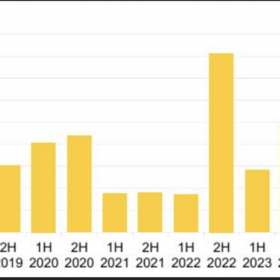
Investment in new large-scale solar and wind in Australia fell by 64% year on year in the first half of 2025 as grid bottlenecks, slow planning approvals, higher costs, and social licensing issues took a heavy toll.
Ireland to meet 2030 target of 8 GW solar, claims Wood MacKenzie
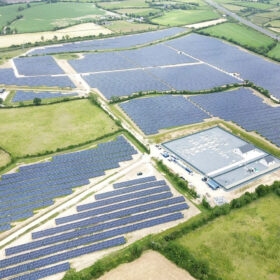
Wood MacKenzie predicts that Ireland will meet its 8 GW 2030 solar target but wind, heat pumps, and electric vehicles (EVs) are all lagging behind theirs. Ireland’s current installed solar capacity is just under 2 GW, but this could be increased thanks to favorable policy, grid investments, and energy storage.
Swedish heat pump maker Aira raises €150 million, plans production capacity expansion
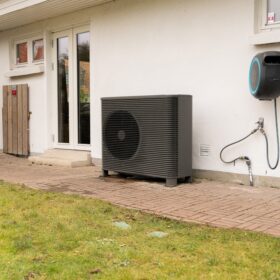
Aira is raising €150 million in equity financing to support increased production capacity in Wroclaw, Poland, as well as further research and development in Sweden.
New research warns of unexpected UV-induced degradation in TOPCon solar cells from invisible light
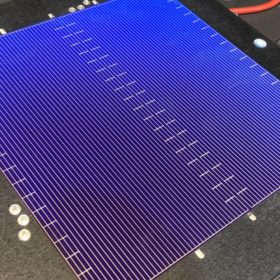
Researchers from UNSW have found that invisible light accelerates UV-induced degradation in TOPCon solar cells, producing the same degradation effects as visible light but at a much faster rate. This can lead to significant open-circuit voltage losses and reduce cell efficiency.
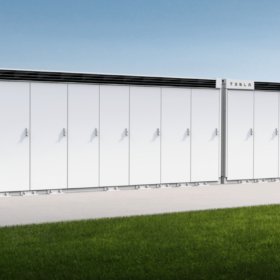
Sinovoltaics updates financial stability ranking of energy storage manufacturers
The latest financial stability ranking has Tesla, Mustang Battery, and Solid Power holding the top three spots in a report that tracks Altmann-Z scores for 57 manufacturers over the past three years.
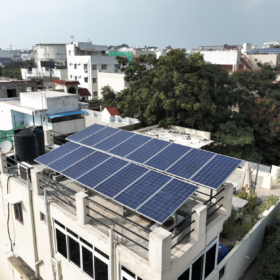
India mandates rooftop monitoring and inverter integration for 30 GW of solar
India’s renewable energy ministry has issued draft rules requiring all solar inverters installed under its 30 GW rooftop program to link directly to national servers, aiming to improve grid stability and cybersecurity. Industry groups back the plan but warn of high compliance costs, supply chain constraints, and uneven connectivity.

The Hydrogen Stream: EIA sees mostly gray hydrogen in US by 2050
The US Energy Information Administration (EIA) says US hydrogen production will increase about 80% by 2050, mainly from natural gas with minimal electrolyzer use, while key industry players advance large-scale green hydrogen projects and expand hydrogen vehicle support across global markets.
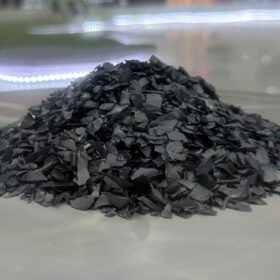
Chinese PV Industry Brief: Government targets energy use at polysilicon plants
China’s Ministry of Industry and Information Technology (MIIT) has launched a 2025 inspection program targeting energy consumption at 41 major polysilicon producers to curb output.
