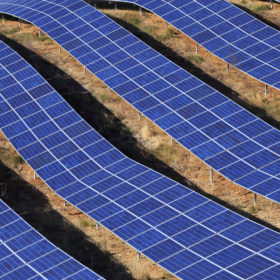
Brazil imported 2.5 GW of PV panels in first half of 2020
According to a recent report from Brazilian consultancy Greener, the country imported 1.61 GW of panels in the first quarter and 877 MW in the second. Domestic PV module makers had a 4.4% market share with around 100 MW in shipped modules in the first half of the year. The analysts claim these figures show the Brazilian PV market has not been affected by the Covid-19 crisis.

The weekend read: Starting a new industry
As a business prospect, producing hydrogen via sustainable means remains in its infancy. However, analysts appear increasingly certain that we are seeing the dawn of a vital new industry. In Europe, some countries (such as Germany and Portugal) have already adopted national strategies for the production and use of the fuel. And in July, the European Union also published a comprehensive hydrogen strategy as a central part of a climate-neutral Europe.
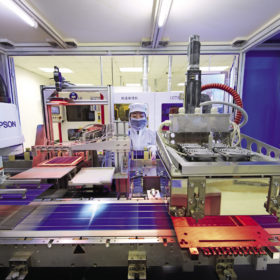
Chinese PV Industry Brief: Production expansion plans for Trina, JA Solar, ZNshine
Trina Solar said this week that it plans to expand cell production output by 10 GW at its factory in Jiangsu province, while JA Solar revealed plans to ramp up wafer production by 20 GW. ZNshine Solar, meanwhile, is aiming for 10 GW of new PV module capacity.
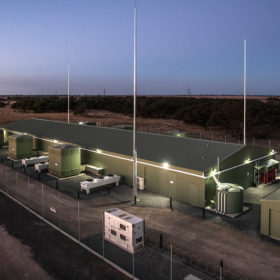
Australian utility unveils gigawatt-scale battery storage plan
In addition to 330 MW of batteries already announced, AGL has unveiled a plan for another 850 MW of grid-scale storage, the bulk of which will be installed alongside its Liddell coal-fired power plant.

India’s PV capacity tops 37 GW
Newly installed PV capacity for the second quarter was just 205 MW. This compares to around 1.5 GW a year earlier.
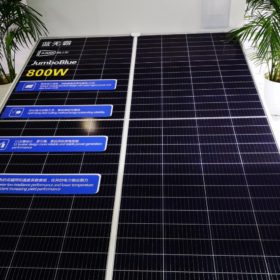
JA Solar launches 800 W solar panel
The new product, currently the most powerful panel on the market, was showcased at the SNEC PV Power Expo in Shanghai. Also presented at the fair was a 780 W product from Tongwei and a 660 W module from Trina.
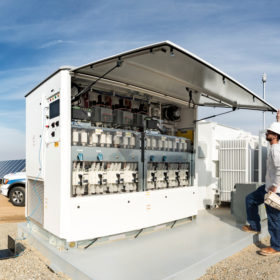
SMA reports 42% increase in turnover, Meyer Burger swings to a loss
German inverter manufacturer SMA Solar Technology reported solid financial results for the first half of 2020 despite the Covid-19 crisis. Meyer Burger, however, saw sales and profits decline.
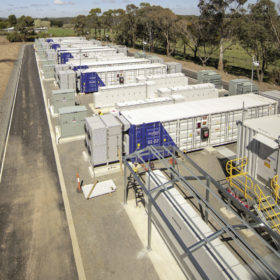
“Capacity deferral is the primary source of storage value”
Big batteries derive most their value from replacing gas peaker plants and averting the installation of excessive amounts of transmission and generation infrastructure. However, batteries cannot replace all gas plants, MIT researchers found. From a holistic economics perspective, there is a certain share of storage that is considered cost-efficient. With battery costs declining, that share is constantly increasing.
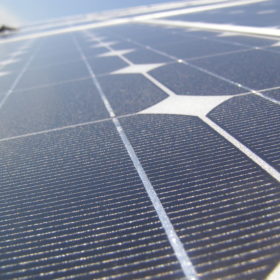
Netherlands’ largest power provider wants to connect new solar parks to 75% of their peak capacity
Liander said its new plan may result in savings ranging from €1.4 billion to €1.8 billion. Possible losses for PV power producers are estimated at a maximum of 3% of their electricity production per year. If implemented, this new measure would push PV project developers to rely on underdimensioned inverters.
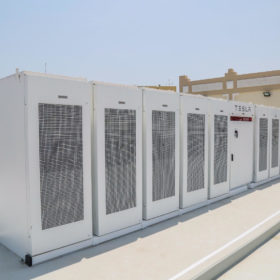
Qatar’s first storage project relies on Tesla batteries
The 1 MW/4 MWh storage system will be used for a peak shaving application to store power during off peak hours or when the station reaches minimum load and use the stored energy during peak load as well as for improving network voltage
