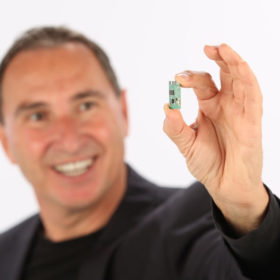
US startup unveils solid-state AC/DC enabler, AC switch
Amber Solutions has developed a solid-state AC/DC enabler, as well as an AC switch, with the aim of “disrupting the global electrical and powered products industries.” It claims the new tech provides greater reliability and control than ever before.
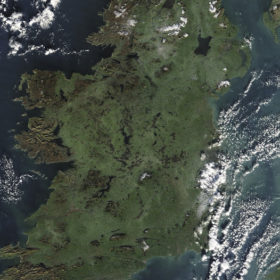
Three factors for success in the Irish solar market
Recent years have seen an explosion of installed PV capacity across the European Union, fueled by the well-documented rapid reduction in technology costs and favorable subsidy regimes in many jurisdictions. However, one corner of Northern Europe remains relatively untouched by the solar revolution, writes Adam Sharpe of Everoze. The Republic of Ireland currently has the second-lowest amount of installed PV capacity in the European Union, at just 36 MW by the end of 2019.

Philippines’ nexus approach for water and solar power supply
The country’s National Irrigation Administration will bet on floating PV and solar-powered irrigation to improve water and energy supply. The Pantabangan and Casecnan dams, in the province of Nueva Ecija in the Central Luzon region, have been identified as ideal locations for floating solar.
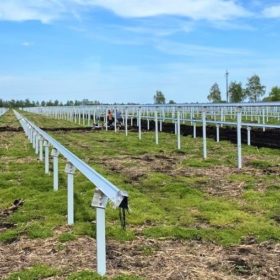
Umweltbank finances 110 MW solar project in Germany
Developer Anumar has secured the signature of Norwegian renewables company Statkraft on a 50 MW power purchase agreement for the project and another 30 MW of generation capacity has been awarded a feed-in premium tariff in a tender. Umweltbank provided a €55 million loan.
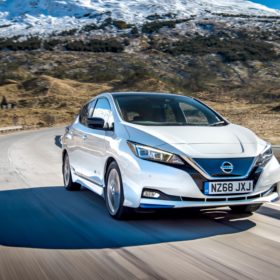
Vehicle-to-grid business model would make Canadian EVs cheaper than conventional rivals
Canadian non-profit Plug’n Drive has looked at Ontario’s time-of-use electricity rates and found electric vehicle owners could generate substantial income by charging at night and selling to businesses during the daytime. Doing so could mean EVs have a lower net cost than conventional vehicles.

Indian power company tenders to acquire 1 GW of already-built solar projects
NTPC wants to buy PV plants with a minimum generation capacity of 50 MW which sell power for a maximum INR5/kWh ($0.0668).
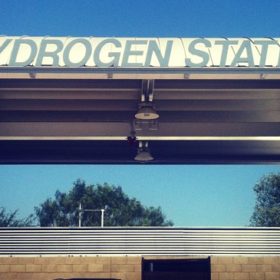
Australia adopts international standards to shape hydrogen future
Industry body welcomes guidelines, which it says are crucial to realizing the potential of the nation’s hydrogen economy.
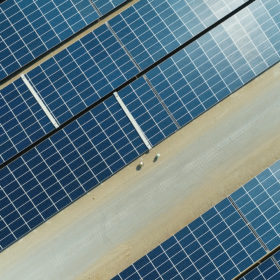
Exclusive interview – Jinko Power on how it offered the world’s lowest solar power price
pv magazine’s Amjad Khashman has spoken to Chinese solar developer Jinko Power about negotiating the world record low price tariff agreed for electricity generated at the Al Dhafra solar project in Abu Dhabi.
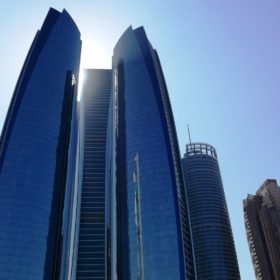
World’s lowest bid of $0.0135/kWh wins in Abu Dhabi’s 2 GW solar tender
Emirates Water and Electricity Co. awarded the 2 GW project to a consortium that includes Abu Dhabi National Energy Co., Masdar, French energy group EDF, and China’s JinkoPower.

EU maintains anti-subsidy and anti-dumping duties on solar glass from China
The European Commission has concluded that there are no compelling reasons to scrap definitive countervailing and anti-dumping measures on solar glass imports from China. Currently, the anti-subsidy duties range from 3.2% to 17.1%, while anti-dumping tariffs are between 17.5% and 75.4%.
