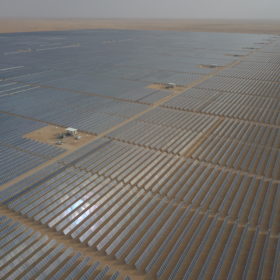
Lowest shortlisted bid in Saudi 1.47 GW tender was $0.0161/kWh
The shortlisted developers are EDF, Total, ACWA Power, Masdar, First Solar, Marubeni, and Al Blagha Holding.

Golden PV panels for balcony solar systems
German manufacturer a2-solar has supplied 240 solar panels for the renovation of an old building in Bern, Switzerland. The modules, which are being integrated into 96 balconies, feature different transparency options and color variations.
Covid-19 halting European PPA market – Part IV
In a recent chat with pv magazine, Jason Tundermann – vice president of business development at U.S. trading advisory service LevelTen Energy – predicted a better-than-expected scenario for corporate clean-energy PPAs on the Old Continent. He said the net value of long-term PPA offers has not dropped dramatically, offering hope to corporate buyers.
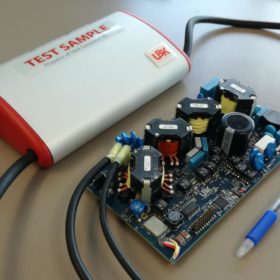
All-in-one device integrating a microinverter and optimizer
The so-called Optiverter is an all-in-one residential solution developed by startup Ubik Solutions and researchers from Estonia’s TalTech Power Electronics Research Group. The developers claim that the new solution can provide 30% more power than traditional microinverters under partially shaded conditions.
No such thing as ‘next-generation’ modules
According to one Dutch scientist, the development of PV technology in recent decades should be seen as an evolutionary process, rather than the constant emergence of new generations of equipment.
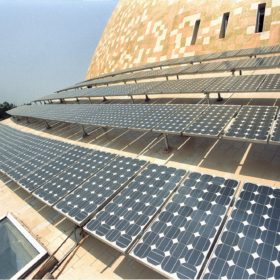
Malaysia’s Yinson acquires 37.5% stake in Indian IPP
Yinson will pay Rs 554 million ($7.3 million) for a stake in New Delhi-based Rising Sun Energy, which operates two PV plants in the massive Bhadla Solar Park in the Indian state of Rajasthan.
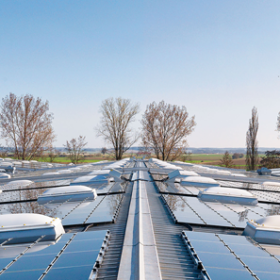
Shunfeng posts $265.2m loss in 2019
The Chinese group’s loss widened significantly from the preceding 12-month period, despite posting a 5.4% year-on-year jump in revenue to RMB1.7 billion ($242.2 million).
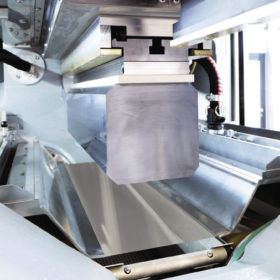
Covid-19 daily bulletin: Meyer Burger reduces working hours for staff
The Swiss equipment supplier already needed to shore up its bottom line and is now taking measures to help combat the spread of an epidemic which has also claimed November’s planned climate summit in Glasgow and an estimated 19% of this year’s demand for energy storage.

Toshiba bags contract for 147 MW project in Japan
The electronics brand said the project will be its largest engineering, procurement and construction order for a solar plant. Facilities on such a scale are rare in Japan because of land constraints.
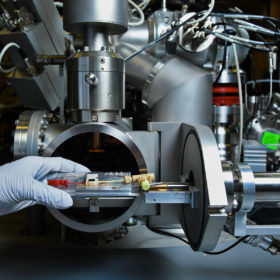
Carbon nanotubes pave the way for silicon in storage
Scientists in the United States have developed a carbon nanotube method of fabricating a lithium-ion battery with a silicon anode. The device reportedly demonstrated better than 87% capacity retention after 1,500 cycles. The developers say their discovery overcomes many of the obstacles to the use of silicon as an anode and could open up the use of other materials for electrodes in lithium-ion devices.
