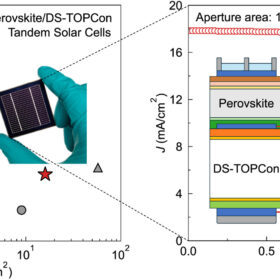
SERIS builds 22.1%-efficient perovskite-silicon tandem solar cell based on double-sided polysilicon layers
SERIS researchers developed a 16-cm² perovskite-silicon tandem solar cell with a double-sided TOPCon bottom cell, enhancing passivation, reducing recombination, and increasing voltage and fill factor.
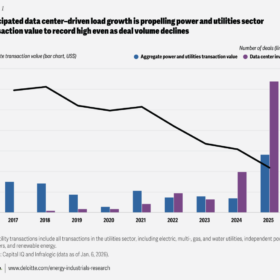
US solar-plus-storage M&A heats up as AI data centers drive demand
As AI-driven data center demand tightens grid capacity across the United States, investors are shifting toward de-risked, late-stage solar-plus-storage portfolios to secure firm capacity in a higher interest rate environment, according to Deloitte.
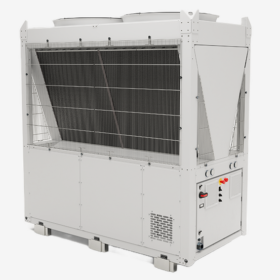
Daikin launches new propane heat pumps for commercial, industrial applications
Daikin has introduced two new propane heat pump lines for industrial and district heating applications, combining monobloc units from 20 kW to 85 kW with modular systems scalable up to 2 MW.
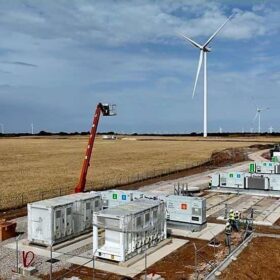
High PV curtailment expected in Spain through 2027
Aurora Energy Research says uncompensated PV curtailment will remain elevated in 2026 and 2027, reaching 3.05 TWh next year and 3.38 TWh in 2027, as grid constraints persist despite planned reinforcements.
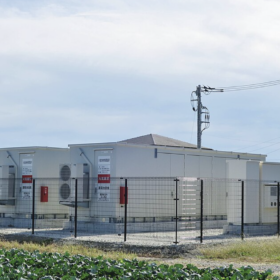
US energy storage shatters records with 58 GWh installed in 2025
The Solar Energy Industries Association (SEIA) and Benchmark Mineral Intelligence say US battery installations reached a record 57.6 GWh in 2025, up 30% year on year, as the industry enters what they describe as a new phase of sustained, high-volume deployment.
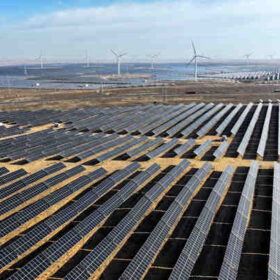
CHN Energy switches on 2 GW solar plant at coal-mining subsidence area
The PV facility transforms a coal-subsidence zone into one of China’s largest utility-scale solar and transmission hubs. It is part of a 6 GW solar cluster, of which 4 GW are now operational.
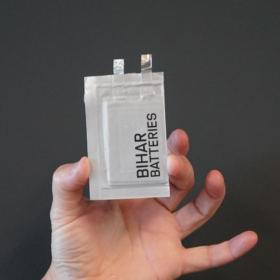
All European sodium-ion battery manufacturers at a glance
The European Economic and Social Committee (EESC) will place sodium batteries at the center of its work on the EU’s industrial strategy and is calling for swift action. pv magazine has compiled a list of manufacturers developing this technology in Europe.
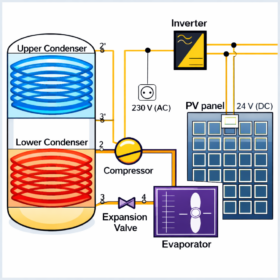
PV-assisted heat pump prototype with dual condenser reaches 7.59 coefficient of performance
Researchers in Spain have developed a dual-condenser air-to-water heat pump that shifts domestic hot water production to daylight hours, maximizing PV self-consumption. The prototype boosted solar energy use from 9.9% to 55.5% and achieved a peak coefficient of performance of 7.59 under PV-assisted operation.
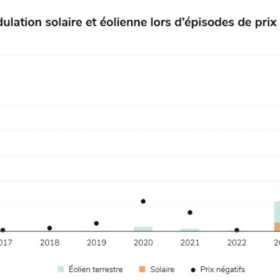
PV curtailment surges in France as grid adapts to rising solar output
French grid operator RTE says almost 3 TWh of renewable energy was curtailed in 2025, driven by higher solar output and more frequent negative-price market periods.
Osaki Electric signs EMS development pact with Kyocera, Taiwan Plastics
Osaki Electric says it has signed an agreement to formalize joint development of its AI-based energy management system (EMS), integrating solar generation and lithium iron phosphate (LFP) battery storage. It aims to sign a final contract by December 2026.
