
India added 935MW of private-contract backed solar in first nine months of 2021
That meant the nation reached a cumulative 4.8GW of “open-access” solar generation capacity by the end of September. At that point, there were also more than 1.1GW of open access projects in the development pipeline, according to analyst Mercom India Solar.

Heat-protective film to reduce solar module temperature by 3.5 degrees Celsius
An international research team has tested a holographic film based on prismatic concentrators that was presented by Russian scientists last year and is claimed to significantly reduce the operating temperature of solar modules, including that of thermal-photovoltaic devices. According to the new findings, the film is able to lower the operating temperature by around 3.5 degrees Celsius.
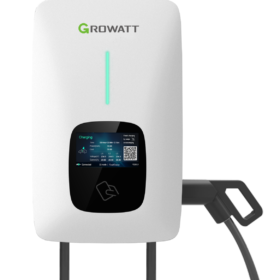
Weathering the solar industry storm: How Growatt overcame 2021’s challenges
Growatt has been on an upward trajectory, recording an over 60% revenue increase in 2021, despite the many challenges posed in the solar industry. Lisa Zhang, global marketing director tells pv magazine how the Chinese PV inverter manufacturer overcame semiconductor chip shortages and rising costs amidst a global pandemic in addition to discussing key markets and new inverter products.
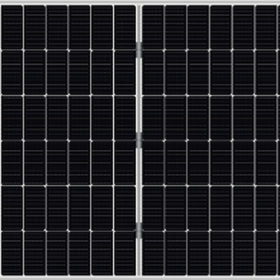
Jolywood launches 615W TOPCon solar module and all-black panel for residential segment
The Chinese manufacturer has launched two new bifacial products based on its n-type TOPCon 2.0 cell technology. The JW-HD156N panel has a power output of 615W, a front side efficiency of 22% and is intended for utility scale projects. The second product, called JW-HD108N, is an all-black panel with a power rating of 425W, for the residential segment.

Bangladesh set to approve 70MW solar plant
Plans for a solar farm in the district of Pabna have been scaled back from the 100MW envisaged by a consortium of developers and the partner companies have also had to reduce the value of the tariff they hoped to receive from the government for the power generated.
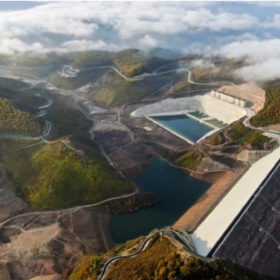
State Grid of China switches on world’s largest pumped-hydro station
Located in China’s Hebei province, the 3.6GW facility consists of 12 reversible pump generating sets with a capacity of 300MW each and has a power generation capacity from storage of 6.612 billion kWh.

Shunfeng set to sell off another 130MW of solar farms
The developer is aiming to resume trading in its stock tomorrow ahead of a shareholder vote this month which could remove more than half of the $220 million it owes creditors in overdue payments.

Chinese solar developer suspends trading in stock
Heavily-indebted Shunfeng International could be set for another big sell off of solar assets as it tries to pay down a near-$300 million overdue debt pile.
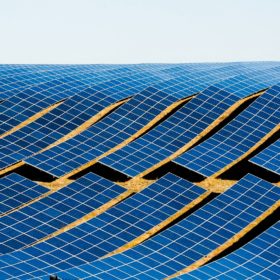
Azure Power commissions 600MW Rajasthan solar project
The PV plant, in the Bikaner district of the state, is the largest PV power project in India owned and operated at a single location by a developer.

Iran wants to deploy 10 GW of renewables over the next four years
According to the Iranian authorities, there are currently more than 80GW of renewable energy projects that were submitted by private investors for review.
