
Agrivoltaics for sugarcane
Brazilian scientists have investigated the potential of agrivoltaics on sugarcane fields and have found this combination may provide benefits in terms of both agricultural and electricity yield. Their results showed that under certain conditions the sugarcane yield below the panels can be higher than that of plots without PV.

Brazil’s solar capacity reaches 60 GW
The latest report from the Brazilian Association of Photovoltaic Solar Energy (Absolar) says Brazil’s operational solar fleet consists of 42.1 GW from small and medium-sized systems and 17.9 GW from large-scale solar plants. Solar currently represents 23.5% of all installed capacity in the Brazilian electricity grid.
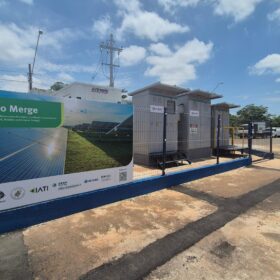
Brazil’s regulator delays decision on storage regulation amid grid tariff dispute
Aneel postpones ruling on energy storage tariffs, with debate focusing on transmission charge treatment and limits.

Brazil launches first sodium battery PV plant in Amazon
UCB Power and the Sustainable Amazon Foundation (FAS) have installed Brazil’s first PV plant with sodium battery storage, a 7.50 kWp/38.40 kWh system in a remote Amazonian community.
The Hydrogen Stream: Trina sends first containerized hydrogen unit to Europe
Trina Green Hydrogen has shipped a containerized megawatt-class electrolyzer to Europe, while Fotowatio Renewable Ventures has selected Envision to support a green ammonia project in Brazil.
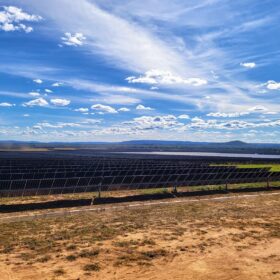
Brazil may add 36.5 GW of solar by 2029, says grid operator
Brazil’s installed solar capacity is expected to rise from 51.7 GW in December 2024 to 88.2 GW by the end of 2029, according to the national grid operator’s 2025–29 Energy Operation Plan.

Brazilian energy storage regulation due this year, says regulator
Agência Nacional de Energia Elétrica (ANEEL), Brazil’s electricity regulator, will publish initial energy storage regulations in the second half of 2025, with two additional consultation phases set to conclude by 2028, according to rapporteur Daniel Danna.

Brazilian energy storage hampered by technical challenges, lack of regulation
While Brazil wastes billions of real on curtailment, the electricity sector is demanding urgent action on an energy storage capacity reserve auction which is now not expected until 2026. ‘What is missing is the courage to unlock the market,’ said Greener CEO Marcio Takata.

At least 18 GW of batteries await Brazil’s planned auction
While Brazil is making progress in customer-side, “behind-the-meter” and off-grid battery solutions – with more than 700 MWh – it still lacks guidelines for a planned gigawatt-scale national auction. Markus Vlasits, president of the Brazilian Association of Energy Storage Solutions (ABSAE), tells pv magazine about the nation’s utility-scale battery bottleneck.

The Hydrogen Stream: UK researching hydrogen storage nodes
Ofgem has awarded GBP 500,000 ($677,000) to a consortium led by National Gas and Gravitricity to develop a lined shaft system for storing up to 100 tons of green hydrogen underground. The six-month project aims to assess feasibility ahead of a potential demonstration in 2026.
