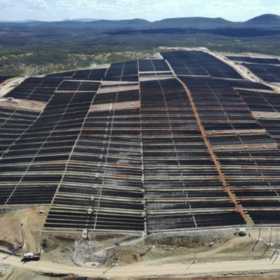
Brazil’s 439 MW Bom Jardim solar site begins testing phase
The Bom Jardim PV complex, a 439 MW solar installation in Icó, Brazil, has begun test operations on four of its 10 plants, with full commercial commissioning expected by December 2027.

Argentina tenders 700 MW of battery storage nationwide
Argentina’s Energy Secretariat has opened a national and international tender for battery energy storage systems (BESS) at grid-constrained nodes outside the Buenos Aires metropolitan area, targeting about $700 million in investment.
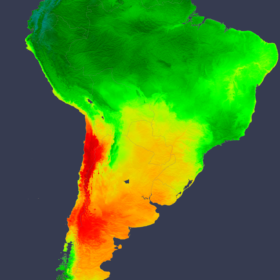
Tropical downpours cut northern irradiance as southern heat lifts sunshine in South America
In a new weekly update for pv magazine, Solcast, a DNV company, reports that January in South America featured dramatic weather contrasts with persistent floods and cloud cover in northern regions sharply reducing solar irradiance, while extreme heat, drought and wildfires in the south boosted sunlight yet also generated aerosol smoke that complicated irradiance outcomes. Severe storms, tornadoes and industrial fires further punctuated the month’s highly variable irradiance patterns across the continent.
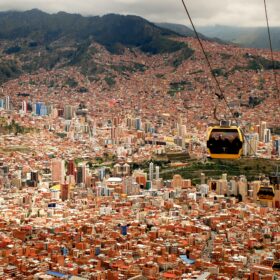
Bolivia creates net metering scheme for medium-voltage distributed generation
A new decree issued by the Bolivian government amends regulations in force since 2021, enabling renewable projects between 1 MW and 6 MW to connect to medium-voltage networks. The provisions also establish a remuneration scheme with a stabilized price for energy injected into the system.
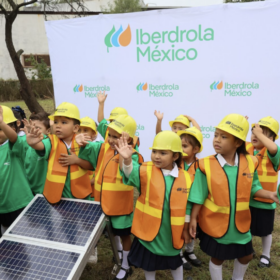
Mexico mandates social impact reviews for BESS projects
New rules from Mexico’s Secretaría de Energía require battery energy storage systems (BESS) to submit social impact assessments for the first time, with stricter obligations above 250 MWh.
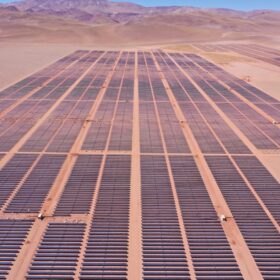
Argentina adds 810 MW of solar capacity in 2025
Argentina added around 810 MW of solar PV capacity in 2025, bringing total installed PV capacity to 2,483 MW, according to data from Compañía Administradora del Mercado Mayorista Eléctrico (CAMMESA).

Solar curtailment rises in Chile as grid constraints persist
Renewable curtailment in Chile reached 6,084 GWh in 2025, up 7.8% year on year, underscoring mounting transmission congestion as the country’s power mix becomes increasingly renewable.
Dominican Republic updates net metering rules for rooftop solar
The Dominican Republic has approved new regulations for rooftop solar, shortening approval times, digitizing processes, removing penetration caps, and increasing annual compensation for surplus energy to 100%.
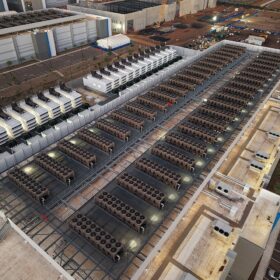
Mexico could become data center hub, but clean power lags behind
Mexico is attracting US data centers seeking faster power connections, but these facilities will initially rely on firm gas generation from the Comisión Federal de Electricidad (CFE), with renewables as a potential future option, Mexican energy expert Santiago Barcón told pv magazine.

Guatemala PEG-5 tender draws 51 bidders for 4.7 GW of capacity
Guatemala’s Generation Expansion Plan 5 (PEG-5) tender has drawn 51 bids totaling nearly 4.7 GW – more than triple the 1.4 GW sought – with around 2 GW of solar projects, including hybrids with storage, competing for long-term supply contracts starting between 2030 and 2033.
