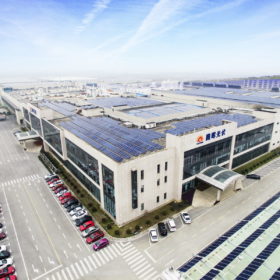
Chinese PV Industry Brief: New polysilicon deal, more cell and module capacity
Xinte Energy has secured a supply contract for 152,400 metric tons of polysilicon. Talesun and Longi are both expanding their respective cell capacities by 5 GW.
An aluminum battery that can charge in a fraction of a second
Scientists in China and the United States investigated the inner workings of aluminum-ion batteries. With new insights into mechanisms at work within the battery during cycling, the group was able to demonstrate a battery capable of ultrafast charging, with the highest capacity so far reported for an aluminum battery.
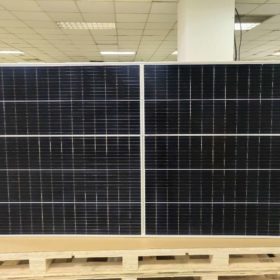
Trina launches 670 W solar panel
The latest product in the Vertex series from the Chinese manufacturer has a power conversion efficiency of 21.6%.

Polysilicon maker Daqo presents another set of blockbuster figures
A planned IPO of the Chinese company’s main, Xinjiang business unit is set to finance construction of another 35,000 metric tons of annual production capacity by this time next year even as soaring sales volumes in 2020 enabled Daqo to pay down the bill for its previous expansion.
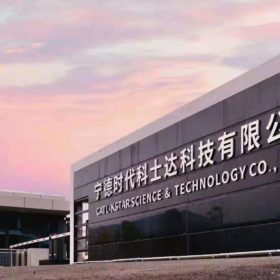
Chinese PV Industry Brief: More inverter, battery and solar cell capacity
Solar cell manufacturer Jiangsu Luneng Energy is planning to deploy more production capacity for both heterojunction and TOPCon products. Battery company CATL and inverter maker Kstar have completed construction of a 1 GW factory in Xiapu economic development zone, in Fujian.
Chinese PV Industry Brief: Increasing polysilicon prices and new supply deals
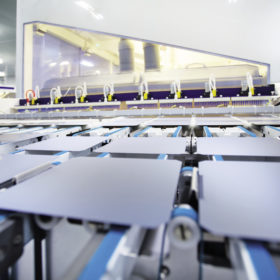
PV Infolink reported a considerable increase in prices for polysilicon and wafer prices for last week. Both products saw their average price increase by over 9% compared to the previous week.
Creating an alternative PV supply chain in the US is no cakewalk
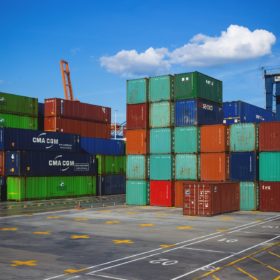
The US Solar Energy Industry Association in late 2020 launched a campaign against forced labor and said it was “strongly encouraging” member companies to adjust their supply chains by June. Here is what will likely happen.
Solar modules prices rose by up to 15% in China, Jinko’s vice president says
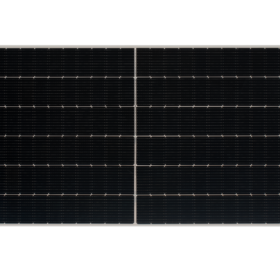
According to JinkoSolar vice president Dany Qian, PV panel prices rose significantly since the second quarter of last year due to an increasing shortage of polysilicon, glass, silver, and module frames. She also stated that rushing demand cannot stop prices from rising for at least the next six months or longer, until sufficient capacity ramps up.
Chinese PV Industry Brief: Plans to increase glass, polysilicon and wafer capacity move forward
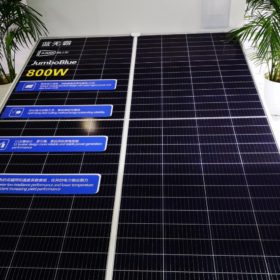
Daqo has secured another big supply deal, Xinte is pushing to build a new factory in Inner Mongolia and the board of JA Solar has approved a proposal to deploy 20 GW of wafer production capacity in the autonomous region.

Solar glassmaker posts another set of bumper figures
Xinyi has accelerated plans to add more furnaces this year and predicts the rebound in solar demand being driven, in part, by the desire of nations for a green recovery from Covid-19 will continue to keep supply tight.
