
Hungary deploys 1.3 GW of solar in January-October period
Hungary installed 1.3 GW of solar between January and October, bringing its cumulative PV capacity to 7.3 GW by the end of October, according to new government data.

More than 19 GW of solar projects set for implementation in Poland
Poland’s Institute for Renewable Energy (IEO) says that building permits have been issued for nearly 1,500 solar projects totaling over 12.3 GW. Some of these projects may secure authorization in Poland’s upcoming renewables auction, set for December.
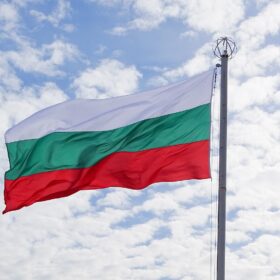
Funding secured for 237.6 MW merchant solar plant in Bulgaria
Up to €103 million ($107.2 million), from the European Bank for Reconstruction and Development and Raiffeisen Bank International, will support the development of a fully-merchant, 237.6 MW solar project in southeastern Bulgaria.

Serbia sets maximum solar price of €72/MWh for second renewables auction
Serbia’s upcoming second renewables auction, scheduled for later this month, aims to procure 124.8 MW of solar power with a ceiling price of €72 ($75.30)/MWh. This price is lower than the €90/MWh ceiling offered in the country’s first renewables auction last year.
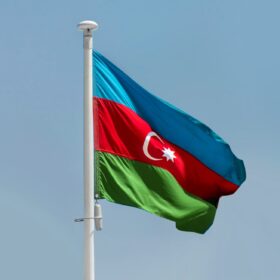
Azerbaijan awards 100 MW of solar with lowest bid of $0.0354/kWh
China’s Huantai Energy Co., Ltd. has secured a contract to build 100 MW of solar in eastern Azerbaijan, after submitting the lowest bid of $0.0354/kWh in the country’s first renewables auction.

Serbia moving forward with 9.75 MW solar facility
A 9.75 MW solar plant on a former mining dump in northeastern Serbia is set for completion and grid connection by the first quarter of 2025. It will be the first solar facility operated by state utility Elektroprivreda Srbije.
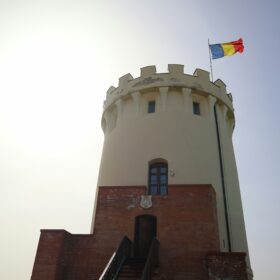
Romania opens €150 million pot for co-located battery storage
The Romanian Ministry of Energy has launched a grant program for battery energy storage systems developed in conjunction with existing renewable energy facilities – wind, solar, or hydro.
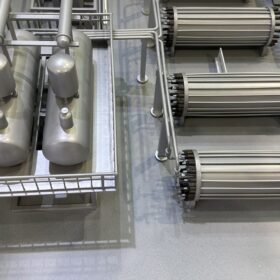
The Hydrogen Stream: EU offers financial support for renewable H2 auction
The European Commission, Austria, Lithuania, and Spain have announced new financial support measures for renewable hydrogen development as the European Union prepares for the second European Hydrogen Bank auction.
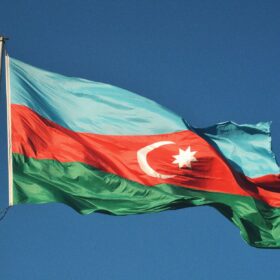
ADB to provide $160 million to finance 760 MW of solar in Azerbaijan
The Asian Development Bank (ADB) has agreed on a $160 million financing package for two solar projects in southeastern Azerbaijan, totaling 760 MW. Abu Dhabi-based Masdar is co-developing the project with a subsidiary of State Oil Company of Azerbaijan (Socar).

Lithuania bans remote Chinese access to solar, wind, storage devices
Lithuania has decided to tighten its cybersecurity laws, banning manufacturers from countries deemed national security threats, including China, from remotely accessing management systems of solar, wind, and storage facilities. The European Solar Manufacturing Council has backed the move.
