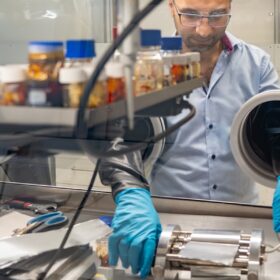
Aluminium-polymer battery for stationary electricity storage
The device developed by TU Bergakademie Freiberg researchers uses aluminum as an anode, graphite as a cathode, and a polymer-based solid electrolyte. It is being validated and further developed for industrial production. The goal is storage capacity of 10 kWh.
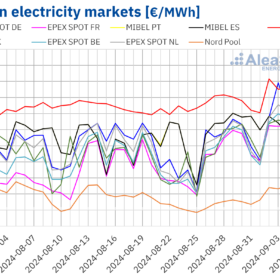
Electricity prices continue to rise in most European markets
AleaSoft Energy Forecasting says higher demand pushed electricity prices up across most major European markets last week. However, prices fell in Portugal and Spain due to lower demand and rising solar production.
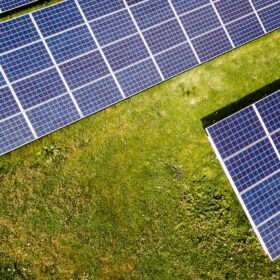
Alight to build 180 MW of solar in Finland
Swedish solar developer Alight plans to build two 90 MW solar projects in western Finland. Construction is set to begin next year, with commissioning expected in 2026.
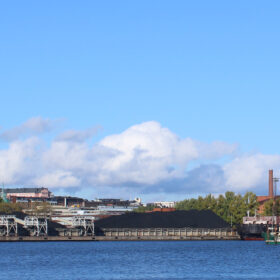
Helen to build 200 MW electric boiler plant in Helsinki
Helen, a Finnish energy company, is building a nuclear and renewables-driven heat production complex in Helsinki, featuring a 200 MW electric boiler plant and a heat storage facility. Construction is set to begin in 2025.

Webasto unveils vehicle-integrated PV system covering rear window, roof area
Webasto, a German automotive industry supplier and developer of vehicle integrated PV, unveiled a new sun roof system concept with components that are 40% lighter and a capacity of 350 kWh per year.
Otovo announces layoff plan
Norway’s Otovo says it plans to lay off around 170 employees. The company, which operates in 13 European countries, employed 384 people by the end of 2023.

Storage, hydrogen, and demand flexibility key to avoiding negative prices
Antonio Delgado Rigal, CEO of Spain’s AleaSoft Energy Forecasting, speaks with pv magazine about the rise in negative price hours in major European energy markets. He emphasizes the need for more storage capacity and argues that negative price periods will probably not threaten project profitability over the long term.
Increasing potential of silicon clathrate films for photovoltaics
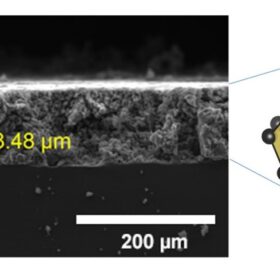
Researchers led by scientists from CNRS in France are exploring an exotic form of silicon called silicon clathrate as a material for energy applications, including photovoltaics. Mastering the synthesis and using appropriate characterizations are key elements towards potential applications. Significant progress is being made for the fabrication of functional devices.
Netherlands’ largest wastewater heat pump goes online in Utrecht
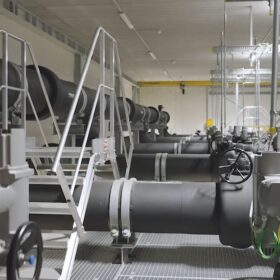
The largest heat pump in the Netherlands is now online at the Utrecht sewage treatment plant. It generates heat up to 75 C for the local network by using purified hot wastewater from a regional water authority.
The Hydrogen Stream: Hamburg to install 100 MW electrolyzer system
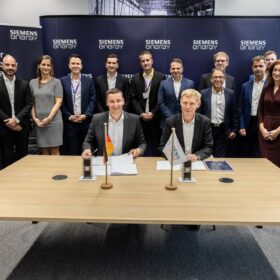
The Hamburg Green Hydrogen Hub has tapped Siemens Energy to provide and install six electrolyzers for a 100 MW system, with construction set to begin next year and commercial operation expected by 2027.
