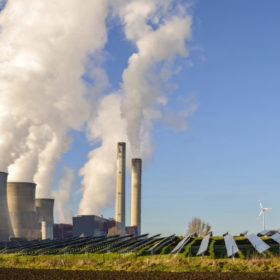
Solar beats oil and gas price in EU
With the carbon price set by the bloc’s emissions trading scheme on the rise – alongside fossil fuel costs – there’s never been a stronger economic case for renewables. And analysts are predicting the trend is no blip.
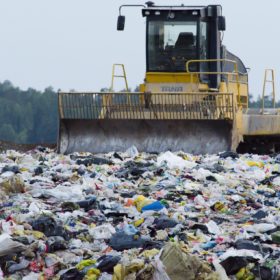
EU funds pilot plant for PV module recycling
German company, Geltz Umwelt-Technologie has developed an advanced recycling plant, which it says could recover up to 95% of the materials in a module for reuse. With funding from the EU’s Horizon 2020 project, the company is planning a pilot facility that could recycle up to 50,000 silicon based PV modules per year.
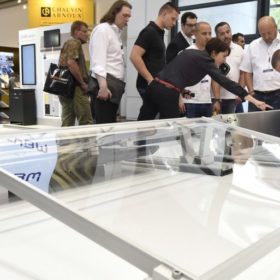
Promises of more friction, less ballast on flat roofs – follow up Q&A from K2 webinar
In a recent pv magazine webinar, K2 Systems presented two new developments designed for solar PV systems on flat roofs, which promise a higher coefficient of friction and good thermal cycling, among other benefits. Here are the questions we didn’t have time to answer.
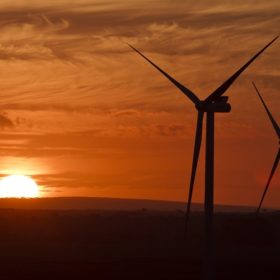
Danish Energy Agency expects wind to be only winner in wind-solar tenders
In a report on the outlook for the Danish energy market, the agency predicted solar will keep having a minimal share in the country’s energy mix as it grows from around 900 MW to just 1.4 GW by 2030.
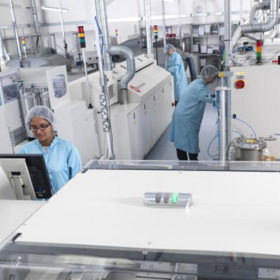
Bosch and Ceres planning fuel cells to power future cities
The Stuttgart-based industrial group wants to work on technology development and production with the British fuel cell manufacturer. Bosch considers highly efficient fuel cells an important step forward in the energy transition.

GA Powers ahead with 58 MW of solar in Vietnam
German developer settled on Ha Tinh province after two years assessing several regions of the southeast Asian nation, and stressed the decision was in large part due to the welcome offered international investors.
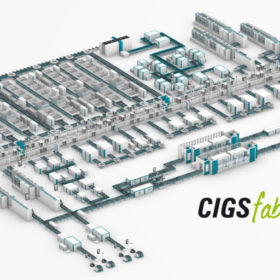
PV division carries Manz thanks to big CIGS order from China
With capital projects CIGSfab and CIGSlab – according to the PV equipment provider – on schedule, Manz expects big follow-up orders from its Chinese customers as solar provided the highlight of the parent company’s first-half figures.
Hanwha Q Cells reports lower revenue, swings to loss in Q2
At US$518.4 million, the quarterly turnover of the South Korean-German manufacturer was down 10.3% year-on-year, while its net result swung from a profit of $18.7 million in the second quarter of 2017, to a loss of $41.3 million in the latest quarter. Despite this, the outlook for full fiscal 2018 remains unchanged.
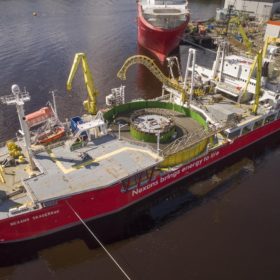
1.4 GW NordLink interconnector receives €100 million EIB hybrid securities purchase
The project connecting Germany and Norway was first conceived in 2015. The 624 km undersea cable will have a capacity of 1.4 GW, when operational in 2020. The EU is supporting the project and other grid infrastructure projects through its EFSI scheme to interconnect the European energy markets, for better renewable energy integration and improved security of supply.
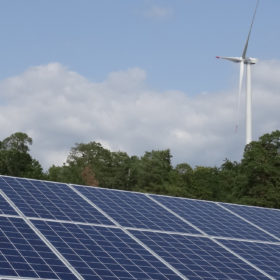
When the wind doesn’t blow don’t worry, the sun shines
The heatwave across Western Europe saw wind power 20% lower than usual while solar irradiance was 20% above average, according to Vaisala, a provider of measurement systems and equipment for meteorology. If this balancing effect is confirmed by further analysis, the technologies may ensure future energy supply by providing a diversified, ‘climate-resilient’ portfolio.
