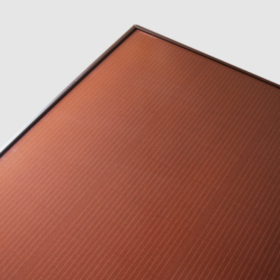
Solar Fabrik launches 400 W red-brown module for heritage roofs
Solar Fabrik has introduced a 400 W red-brown glass-glass PV module designed to meet strict aesthetic requirements for historic and protected buildings, offering a 20.02% efficiency and compatibility with traditional tiled rooftops.

BBDF: German network agency to release BESS grid fee framework soon
Germany’s Federal Network Agency (Bundesnetzagentur) is set to present a framework for future network fees in May 2026, with industry discussions highlighting how these charges could interact with flexible connection agreements and affect battery energy storage system (BESS) returns.
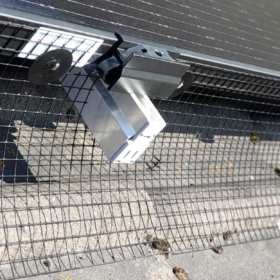
Sassmann develops ‘solar panel grid’ for pigeon protection
Sassmann, a Germany-based company, has developed a modular “solar panel grid” system designed to prevent pigeons from nesting beneath photovoltaic modules.

BBDF 2026: Finance, tolling, and getting the merchant balance right
As Europe prepares to roll out 200 GWh of battery storage over the next five years, discussion at the Battery Business & Development Forum 2026 turns to how financing models are rapidly shifting. Bankers, developers and stakeholders shared key pain points with the audience, as well as practical advice.
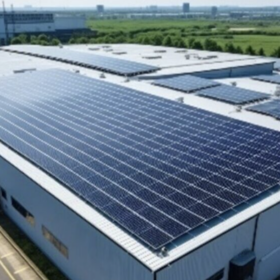
German rooftop PV tender undersubscribed as prices hold
Germany’s Federal Network Agency (Bundesnetzagentur) awarded 155 MW of rooftop PV capacity at an average of €0.0956 ($0.11)/kWh, leaving nearly half of the 283 MW tender volume unallocated.

How perovskite solar cells age under temperature stress
German and Swedish researchers have found that rapid temperature cycling degrades perovskite cell performance through thermally induced stress and phase transitions, while also identifying organic spacer molecules that can enhance structural stability.
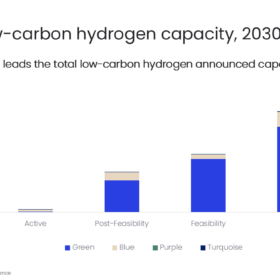
The Hydrogen Stream: Capacity outlook grows, deals shift
GlobalData says hydrogen capacity could reach 82.3 million metric tons per annum (mtpa) by 2030, while Topsoe has ended supply agreements with First Ammonia.
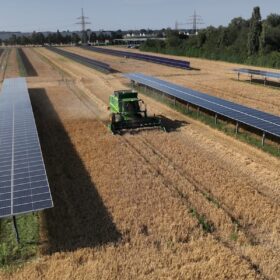
Agrivoltaics with trackers, vertical systems offer economic upside
An industry analysis argues that agrivoltaic systems using trackers or vertical designs can outperform conventional solar on both revenues and land use, challenging conclusions from a recent German study.
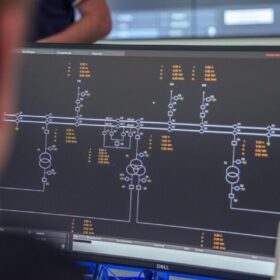
Germany classifies cybersecurity threats for energy infrastructure
Germany’s Federal Network Agency will use a new, structured framework developed by Fraunhofer IOSB-AST to classify cybersecurity incidents in the energy sector. The methodology enables comprehensive risk assessments, from initial reports to systemic and economic impacts, supporting consistent evaluation across the entire energy value chain.
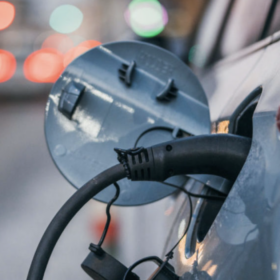
German pilot shows 700 EVs can provide redispatch services
TransnetBW says its pilot with Octopus Energy shows 700 electric vehicles can deliver grid flexibility within existing redispatch processes, with potential to scale to gigawatt-hour levels.
