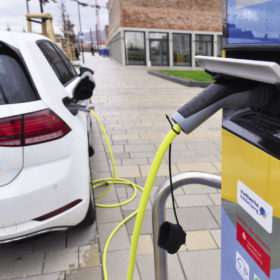
Sodium-ion battery manufacturing in India
UK-based sodium-ion battery technology developer Faradion has bagged its first order from ICM Australia and is looking at India as the next destination for manufacturing, with its initial target set at 1 GWh.

Covid-19 weekly briefing: A cold wind for APAC renewables, respite for Indian developers and another salary cut for SunPower execs
The coronavirus epidemic continues to batter the global economy, including the solar industry, but falling demand during lockdowns has brought negative energy prices as well as helping drive record solar generation, amid less-polluted skies.
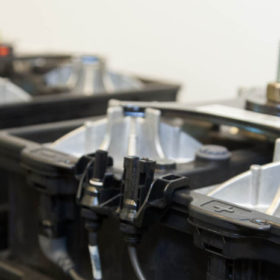
Low-cost bio-inspired electrocatalyst for rechargeable metal-air battery
Indian scientists have developed a low-cost electrocatalyst based on iron, manganese and N-doped carbon derived from fish gills (Fe/Mn/N-FGC) to increase the performance of a homemade rechargeable zinc-air battery. The Fe/Mn/N-FGC cathode-based battery achieved open-circuit voltage of 1.41 V and a large power density of 220 mW/cm2 at 260 mA/cm2 current density – compared to 1.40 V and 158 mW/cm2 for a commercial platinum/carbon-based battery – with almost stable charge-discharge voltage plateaus at high current density.

Indian government backs multi-pronged approach to support solar sector
The Ministry of New and Renewable Energy is working on the creation of a Rs 10,000 crore (US$1.3 billion) alternative investment fund to provide payments to PV developers.
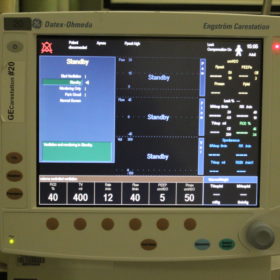
Indian solar cell factory producing ICU ventilators for Covid-19
Central Electronics, India’s first silicon PV manufacturer, is drawing on its technical expertise to ramp up production of ICU ventilators, as part of the country’s response to the Covid-19 pandemic. It has invited global bids from ventilator manufacturers to collaborate with on production.
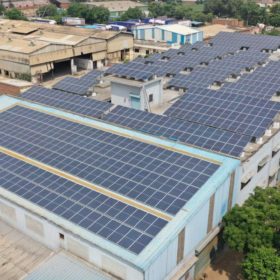
Covid-19 lockdown will affect India’s rooftop solar sector more than large-scale PV
Installations are set to fall in India’s rooftop PV sector, even after the current coronavirus lockdown is lifted, as consumers will continue to grapple with financial constraints, according to a newly published research report.

Covid-19 daily bulletin: Renewables projects running at capacity in India
The nation’s Ministry of New and Renewable Energy has reiterated that clean energy projects have not been affected by falling electricity demand as a billion citizens have been ordered to stay at home.
U-Solar on making the most of India’s Covid-19 lockdown
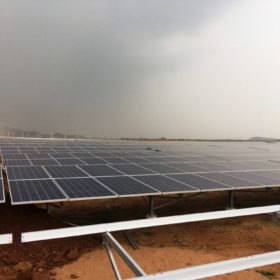
In a recent interview with pv magazine, K.R. Harinarayan – the founder and CEO of U-Solar Clean Energy – discussed the impact of India’s Covid-19 lockdown on the company’s solar EPC projects, and how the Bangalore-based PV developer is utilizing this time productively.

Global corporate PV funding down 31% amid Covid-19 crisis
Mercom Capital Group has issued a report tallying up financial activity in the solar sector between January and March 2020. The sobering result is that cash flows are down by considerable margins on all metrics.

Covid-19 daily bulletin: Indian installations to be delayed by outbreak
pv magazine rounds up the latest Covid-19-related stories likely to affect the world of solar and energy storage.
