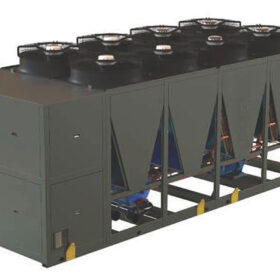
Rinnai unveils air-to-water heat pumps for commercial, industrial use
The systems use propane as the refrigerant and range in capacity from 40 kW to 410 kW. Their coefficient of performance reaches up to 3.88.
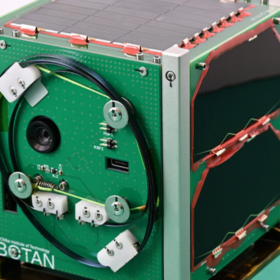
Idemitsu developing CIGS solar modules for satellites
Japan’s oil giant Idemitsu Kosan and U.S.-based Source Energy Company announced a collaboration to develop copper indium gallium-selenide solar modules and arrays for satellite and space applications.
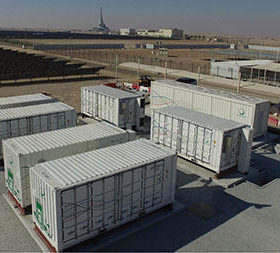
Japan’s NGK discontinues manufacturing of sodium-sulfur batteries
The manufacturer cites rising material costs, heightened competition from lithium-ion batteries, and the slow uptake of long-duration storage technologies as the reasons for the decision.
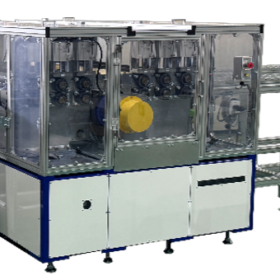
AGC, NPC developing new PV cover glass recycling tech
The Japanese companies announced a partnership to advance the recycling of solar panel cover glass for application in architectural flat glass production.

Toyo strikes solar cell supply deal with Voltec Solar
Japanese TOPCon specialists Toyo will become the official solar cell supplier of French solar panel manufacturer Voltec Solar, following the signing of a strategic partnership that marks Toyo’s first entry into the European market.

Ricoh developing perovskite solar technology for space, buildings
The Japanese imaging and electronics company said tests of its perovskite solar cell technology will be conducted in a demonstrator system aboard an unmanned cargo spacecraft operated by Japan Aerospace Exploration Agency.
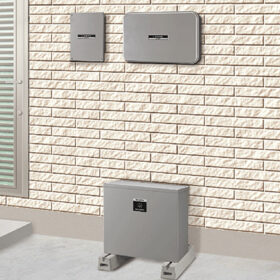
Japanese utility uses Sharp PV-linked home batteries for grid balancing
Japanese utility Tohoku Electric Power is using Sharp’s residential batteries and AI-powered energy management systems to balance grid demand and optimize household solar energy use. Customers in the program can earn points redeemable for local products.

Mitsubishi presents new residential air-to-water heat pumps
Mitsubishi said that the two new products of its Hydrolution EZY series can produce domestic hot water up to 75 C when outdoor temperatures reach -25 C. The new systems have capacities of 6 kW and 7.1 kW.
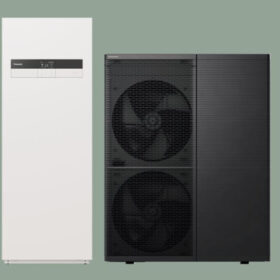
Panasonic unveils new air-to-water heat pump for residential use
The Japanese electronics manufacturer said its new heat pump system is an ideal solution for centralised heating and domestic hot water installations. It offers a heating capacity of 9 kW to 16 kW and a seasonal coefficient of performance of up to 4.31 at low temperatures.
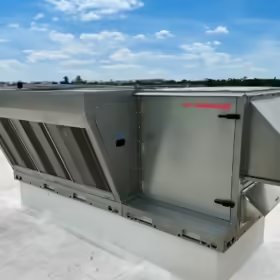
Japanese manufacturer launches dual-fuel commercial rooftop heat pump
Japanese machinery maker Yanmar says its new commercial rooftop units (RTUs) include a standard model, a dual-fuel heat pump, and a dedicated outdoor air system (DOAS) with integrated energy efficiency ratios (IEER) up to 21.3.
