Opportunities emerge on the rooftops of MENA
Blessed with some of the highest levels of solar irradiation in the world, the Middle East and North Africa (MENA) region has almost limitless potential for PV development. And while desert regions outside many of the region’s major cities already host some of the world’s largest PV installations, MENA has been a slower mover when it comes to rooftop solar. But that is set to change. In this pv magazine Webinar, we’ll take a closer look at Huawei’s latest offering for the rooftop market, the FusionSolar Residential Smart PV Solution, and why the Middle East will be a key region in the development of distributed solar in years to come.
Tracing the roots of fill factor degradation in perovskite-silicon tandem solar cells
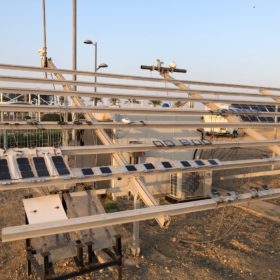
Scientists in Saudi Arabia have conducted one of the longest tests on the stability of perovskite-silicon tandem solar cells. According to their findings, the most affected parameter under the hot and humid climate of the region is the device fill factor, which dropped from 80% to 50% in just six months.
Extra 217 MW of solar due online at vast Dubai solar field this year
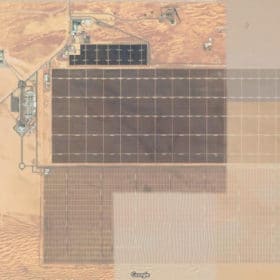
Emirati utility DEWA has said it expects a further 517 MW of photovoltaic and CSP generation capacity to come online this year at the Mohammed bin Rashid Al Maktoum solar field, after the first, 300 MW slice of the fifth phase of the sprawling development was recently inaugurated.
Dubai project promises ‘customized, walkable’ building PV
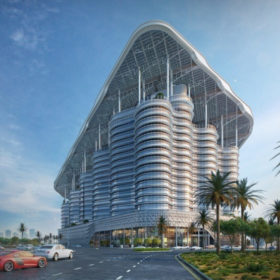
The new headquarters planned by DEWA is intended to consume no more annual electricity than it generates, from a large volume of rooftop and building-integrated PV.
Israel’s national roads authority launches tender for PV plants at highway junctions
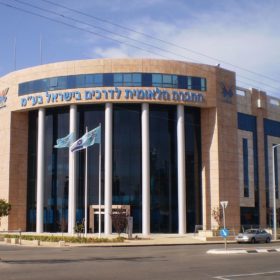
Three solar plants totaling 20 MW should be constructed at junctions located in Gedera, Beit Kama and Atlit.
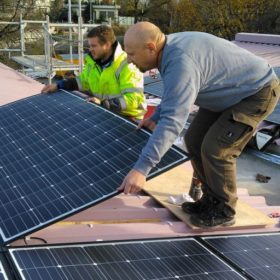
Energy transition to create 60m solar jobs by 2050
The switch from fossil fuels and nuclear will bring a jobs dividend thanks to the greater labor-intensity of renewables plants, according to a paper published by Finland’s LUT. However, the jobs dividend is unlikely to be evenly spread around the world, with Europe set to be a big winner.
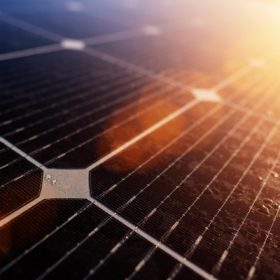
Palestine launches tender for 20 MW solar module assembly line
The line will be used in a new PV panel assembly factory located in the West Bank of Palestine which is set to begin manufacturing activities next year.
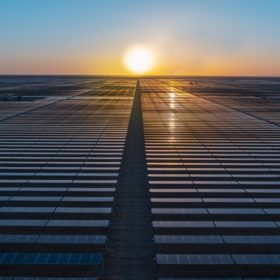
Financial close for 1.5 GW solar PV project in Saudi Arabia
The Sudair Solar PV plant is the first project under the renewable energy program run by Saudi Arabia’s Public Investment Fund. The facility is owned by energy giants ACWA Power and Aramco, as well as electricity holding company Badeel.
From niche to mainstream: the keys to making BIPV happen today
This pv magazine Webinar will investigate how BIPV companies and stakeholders such as architects, the construction sector, smart city initiatives and regulations, and more, can work together, to create generating assets from large buildings in urban environments and commercial applications, to residential environments.
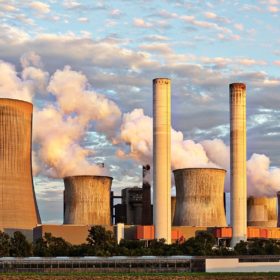
The trillions spent by G20 nations on fossil fuels between 2015 and 2019 could have paid for more than 4 TW of solar at today’s prices
Polluting energy sources received more than $3 trillion from the EU and 19 of the world’s largest national economies over that four-year period, despite G20 members having pledged to phase-out fossil fuel subsidy and address climate change back in 2009.
