TotalEnergies to build 1 GW solar park in Iraq
TotalEnergies plans to build a 1 GW solar plant near the port of Basra, in southern Iraq.
Novel battery chemistry for zinc-ion batteries
Scientists have demonstrated a zinc-ion battery that overcomes many of the challenges for this technology. By working with a highly-concentrated salt solution as the electrolyte, the group was able to achieve stability over more than 2,000 cycles combined with a strong electric performance. The group says that its work opens up “a viable route to developing aqueous batteries for emerging electrochemical energy storage applications.”
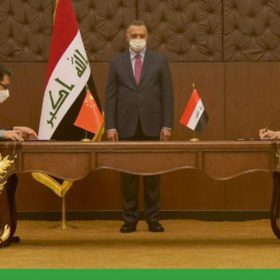
Iraq announces another 2 GW solar project
Under development by Chinese conglomerate Power China, the project will initially have a capacity of 750 MW.
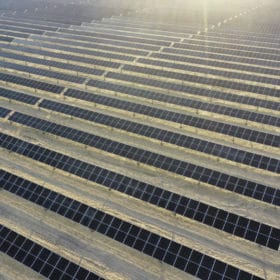
Indian solar developer to build 3.5 GW green hydrogen project in Oman
Acme Solar said the facility would use 3 GWp of solar and 0.5 GWp of wind energy to produce 2,400 tons of green ammonia daily and approximately 900,000 tons annually. Construction is planned in phases with an investment of $3.5 billion over the next three years.
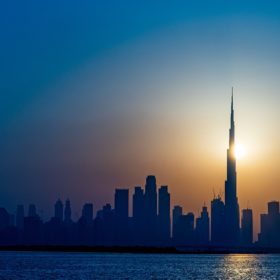
Dubai has 298.7 MW under net metering
Most of the generation capacity – around 190 MW – was deployed in the emirate between September 2019 and March 2021.
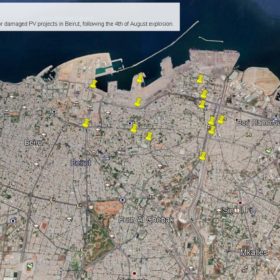
On the brink of collapse, Lebanon added 14 MW of solar in 2020
The news Lebanon installed new solar capacity last year has come as a huge surprise, given the country is at risk of failure. Amid the country’s crisis, solar is offering solutions.
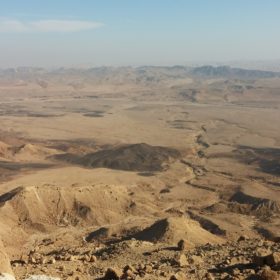
Israel shortlists 11 bidders in 300 MW solar-plus-storage tender
Construction of the solar-plus-storage facility is scheduled to take place in the Negev desert in late 2021, with completion expected in 2023.
Opportunities emerge on the rooftops of MENA
Blessed with some of the highest levels of solar irradiation in the world, the Middle East and North Africa (MENA) region has almost limitless potential for PV development. And while desert regions outside many of the region’s major cities already host some of the world’s largest PV installations, MENA has been a slower mover when it comes to rooftop solar. But that is set to change. In this pv magazine Webinar, we’ll take a closer look at Huawei’s latest offering for the rooftop market, the FusionSolar Residential Smart PV Solution, and why the Middle East will be a key region in the development of distributed solar in years to come.
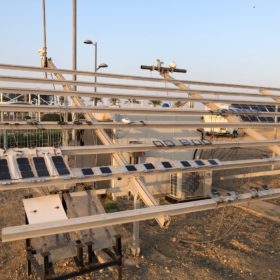
Tracing the roots of fill factor degradation in perovskite-silicon tandem solar cells
Scientists in Saudi Arabia have conducted one of the longest tests on the stability of perovskite-silicon tandem solar cells. According to their findings, the most affected parameter under the hot and humid climate of the region is the device fill factor, which dropped from 80% to 50% in just six months.
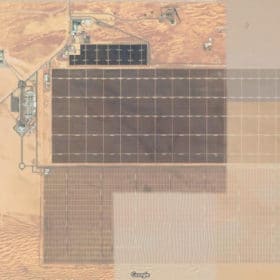
Extra 217 MW of solar due online at vast Dubai solar field this year
Emirati utility DEWA has said it expects a further 517 MW of photovoltaic and CSP generation capacity to come online this year at the Mohammed bin Rashid Al Maktoum solar field, after the first, 300 MW slice of the fifth phase of the sprawling development was recently inaugurated.
