In search of the perfect polymer for PV backsheets, encapsulants
Scientists in Austria have examined the impact of different backsheet and encapsulant material combinations on module performance and degradation. This led them to develop a model to quantify the degradation rates of different materials, potentially helping manufacturers to identify better, longer-lasting materials for these vital module components.
Dutch study confirms feasibility of PV plants on dikes
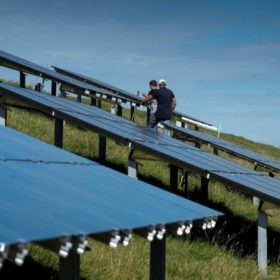
A Dutch consortium recently tested four different PV system configurations along water in the Netherlands. The country has approximately 17,000 km of dikes and a preliminary study has shown that they offer the potential for 11 GW of solar capacity.
Storing solar power by incinerating metals
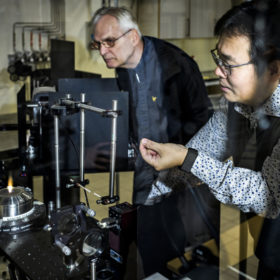
Scientists in Sweden have proposed the use of excess wind and solar power to incinerate metals such as aluminum and iron, in order to produce heat that could be used to generate electricity or hydrogen.

Italy hits 25 GW milestone
Italy deployed 2.48 GW of new PV systems in 2022, with the residential solar segment accounting for almost 50% of the total installed capacity.
Greece struggling to connect 1 GW of installed PV to grid
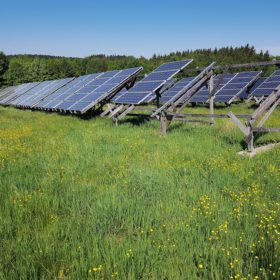
Pospief, the association of solar producers in Greece, says that about 1 GW of installed PV projects are still waiting to connect to the grid. The Greek distribution system is unable to accommodate new, small-scale PV capacity, aside from net-metering projects.

France unveils new FIT rates for PV systems up to 500 kW
France’s new feed-in tariffs (FITs) for the first quarter range from €0.2349 ($0.25)/kWh for installations below 3 kW in size to €0.1287/kWh for arrays ranging in capacity from 100 kW to 500 kW.
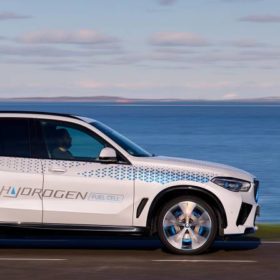
The Hydrogen Stream: BMW unveils hydrogen car demonstration fleet
BMW has launched its iX5 Hydrogen vehicle pilot fleet, with plans to start production by the end of the decade. Everfuel and Hy24, meanwhile, have launched a joint venture to accelerate hydrogen development in Scandinavia.
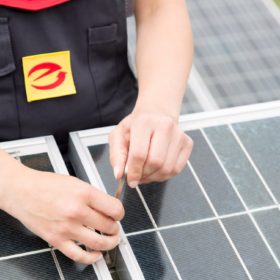
Germany trying to attract ‘solar workers’ from India
The German Solar Industry Association and the Indian Skill Council for Green Jobs signed an agreement in Delhi on the weekend, marking German Chancellor Olaf Scholz’s visit to India.
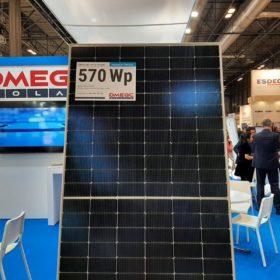
DMEGC unveils 570-580 W TOPCon solar module series
DMEGC Solar says its new tunnel oxide passivated contact (TOPCon) solar panels combine a double-glass design with half-cut n-type cell technology. It says the efficiency ratings range from 22.07% to 22.45%.
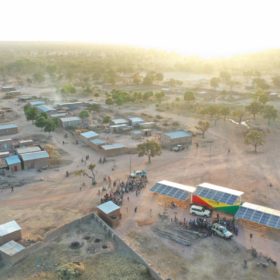
Africa-focused solar fund raises $92.7 million
Rgreen Invest and Echosys Invest have raised €87.5 million ($92.7 million) through the Afrigreen Debt Impact Fund. They said they will use the money to finance on-grid and off-grid solar projects for small- and medium-sized commercial and industrial customers in Africa.
