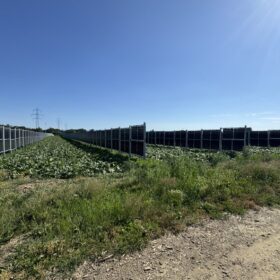
A closer look at vertical agrivoltaics
pv magazine visited a 1.9 MW agrivoltaic plant in Austria where pumpkins and soy are cultivated beneath vertically mounted PV structures supplied by Next2Sun.
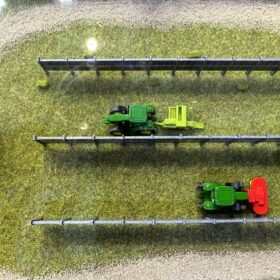
What standards for agrivoltaics?
The technology which combines solar PV panels and agriculture is gaining ground. IEC Standards for solar photovoltaic (PV) systems already exist, but more might be required, dealing with some of the more specific issues relating to agriculture.
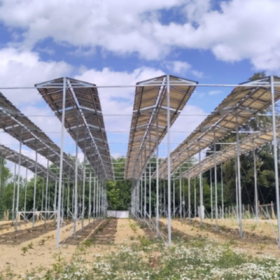
Fraunhofer ISE estimates Germany’s agrivoltaic potential at 500 GW
Fraunhofer Institute for Solar Energy Systems (ISE) says Germany could deploy up to 500 GW of agrivoltaic capacity, based on a nationwide assessment of all agricultural land types and site suitability criteria.

NREL develops translucent solar panels for bigger, better crops
Researchers at the National Renewable Energy Laboratory grew tomatoes under translucent solar panels, which could play a promising role in agrivoltaics.
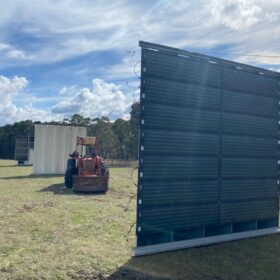
New vertical agrivoltaic system from Australia
Australian company Solspan has unveiled a 6.4 kW vertical solar wall system for applications in agrivoltaic projects. It measures 4 m x 4 m and can be interconnected with other units to create MW-sized systems.
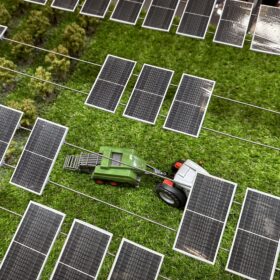
Italy extends construction deadline for agrivoltaic tender
Italy has extended the construction deadline for 1.5 GW of awarded agrivoltaic projects to June 30, 2026, after developers failed to meet the original timeline.
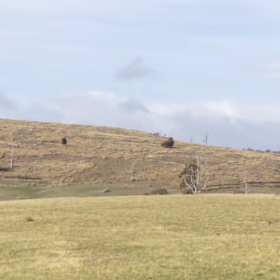
Australia approves 250 MW agrivoltaic solar farm in Tasmania
Australia’s federal government has approved a 250 MW agrivoltaic solar farm in Tasmania, following a 20-day review. The landowner-led project is designed to minimize environmental impact and integrate solar generation with agricultural use.
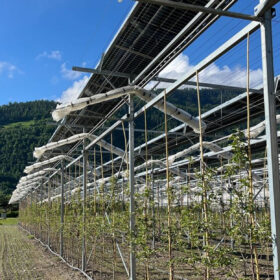
Agrivoltaics for cherries
Switzerland’s Energie360° and solar tech specialist Insolight have agreed to build a 1,300-panel agrivoltaic plant on a cherry farm in Leuggern, Switzerland. The facility will combine crop protection and dynamic light management.

Fraunhofer ISE creates startup for agrivoltaics
The Fraunhofer Institute for Solar Energy Systems ISE (Fraunhofer ISE) has launched Diveo GmbH to plan and construct different kinds of agrivoltaic facilities without focusing on specific technologies.
The rise of vertical agrivoltaics
Next2Sun AG executives spoke with pv magazine at Intersolar Europe 2025 on the growing momentum of agrivoltaics. The company doubled annual installations to 40 MW in 2024, underscoring vertical PV’s value in markets like Italy, Germany and France.
