
Sunoyster offers lightweight 440 W glass-covered TOPCon PV panel
Germany-based solar tracker developer Sunoyster Systems has developed a 440 W lightweight solar panel with a tempered glass cover for low-load commercial and industrial roofs.
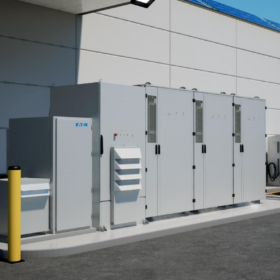
The business case for C&I storage
European businesses installed roughly 20 GW of commercial and industrial (C&I) solar in 2024, but only around 1 GW/2 GWh of C&I battery storage. The gap is striking. Both technologies promise lower energy bills, improved resilience, and decarbonization, but batteries are yet to achieve the same commercial traction that solar enjoys. LCP Delta’s Dina Darshini asks why the gap persists.

SAJ introduces a 1500 V C&I hybrid energy storage solution
When combined with SAJ’s high-efficiency MPPT algorithms, the system delivers a 4.5% boost in overall energy conversion efficiency. The manufacturer also plans to release a 1250 V version.
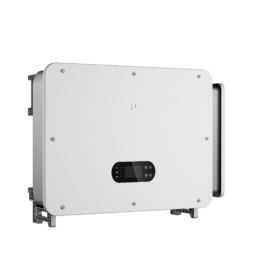
GoodWe launches new hybrid inverters for C&I solar
The Chinese manufacturer has launched a new series of three-phase hybrid inverters ranging from 80 kW to 100 kW. They new products feature eight MPPTs with up to 42 A input current.

Yunt releases MPPT module with 4 independent trackers for C&I use
The Chinese company says that the new product is available in 40 kW, 50 kW, and 60 kW versions. The product has a maximum efficiency of 99%.
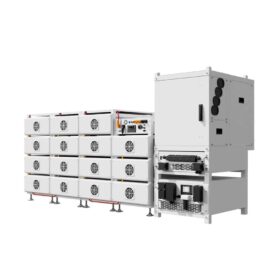
Deye launches C&I power conversion system with battery storage
Deye has developed a new power conversion system (PCS) optimized for solar integration, with modules ranging from 100 kW to 125 kW. The Chinese manufacturer says the PCS supports flexible system design and targets commercial and industrial (C&I) applications.
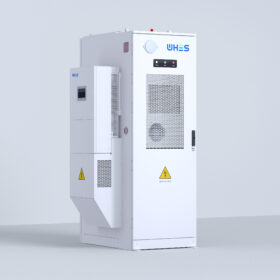
WHES releases new C&I storage system series
WHES has launched a new series of commercial and industrial (C&I) storage systems with integrated hybrid inverters, offering capacities from 57 kWh to 100 kWh and PV input up to 96 kW. The China-based manufacturer claims the systems support 200% PV overloading.
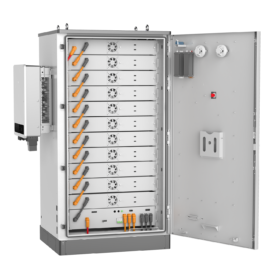
GoodWe releases 112 kWh storage system for C&I solar
GoodWe has launched a 112 kWh battery storage system for commercial and industrial (C&I) solar projects, featuring 96% round-trip efficiency and a 6,000-cycle lifespan. The system allows parallel connection for up to 450 kWh of total capacity.
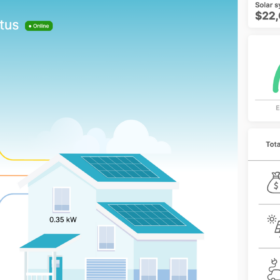
Enact Systems expands PV installer, buyer platform
The US-based platform for buyers and installers of solar and energy storage projects has added several new productivity features, as well as German and Spanish language support. It also has some additional third-party application program interface (API) integrations.
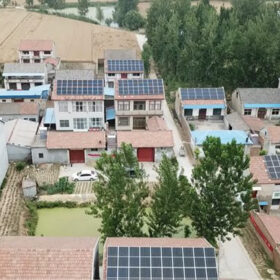
Grid shortages fuel China’s small-scale solar boom
Small-scale, “distributed” PV has become a significant part of the world’s biggest solar market but it is now butting up against the same grid constraints that have frustrated utility-scale PV in China and other parts of the world.
